PASTORAL
Megan Francis Sullivan
Ausstellung 17. Juni bis 31. Juli 2026
Geöffnet immer Freitag von 16-19 Uhr und nach Vereinbarung
schon
Schreinerstr. 16 / Laden links
10247 Berlin
info@schonen.online
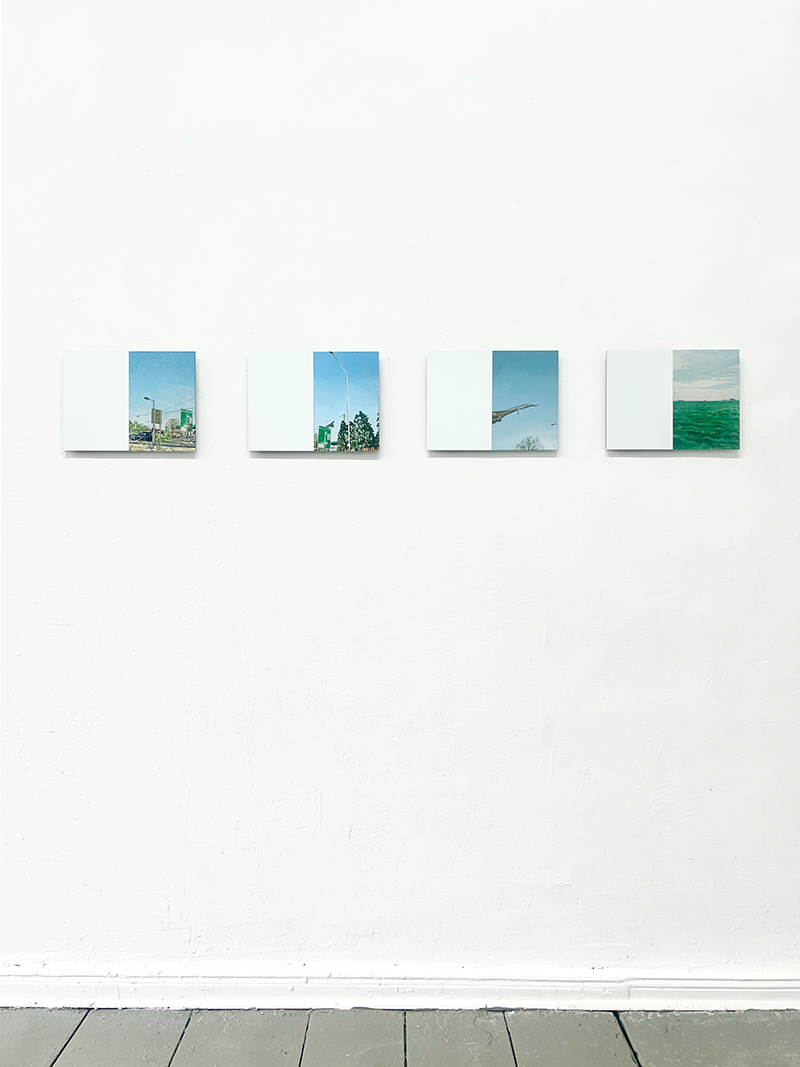
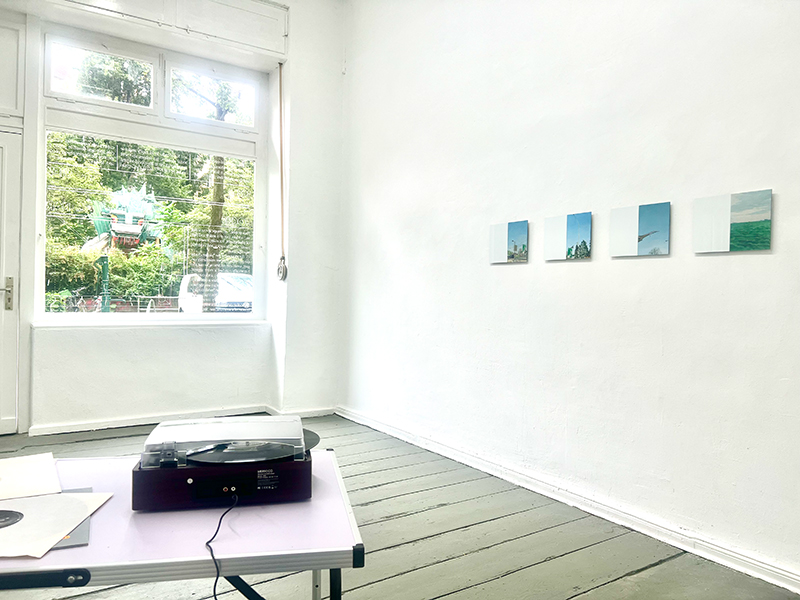
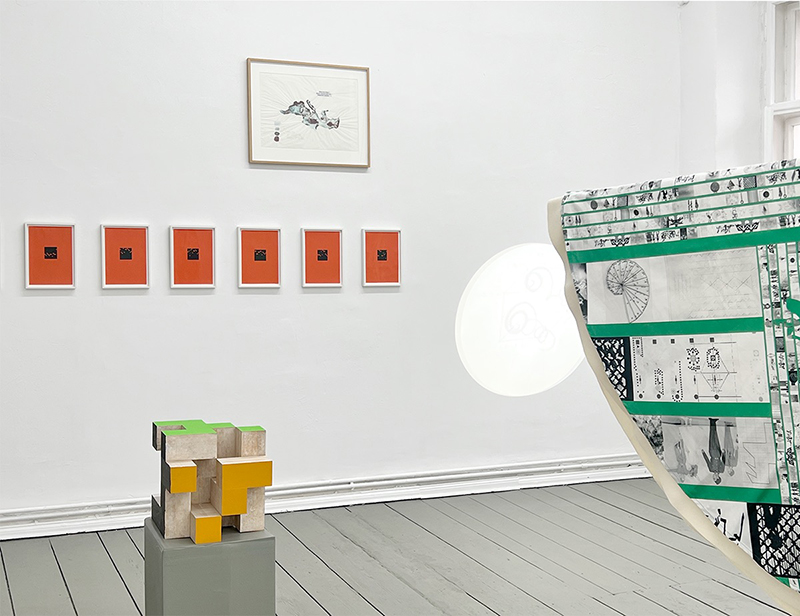
Ausstellungsansicht PASTORAL, Megan Francis Sullivan, 2026
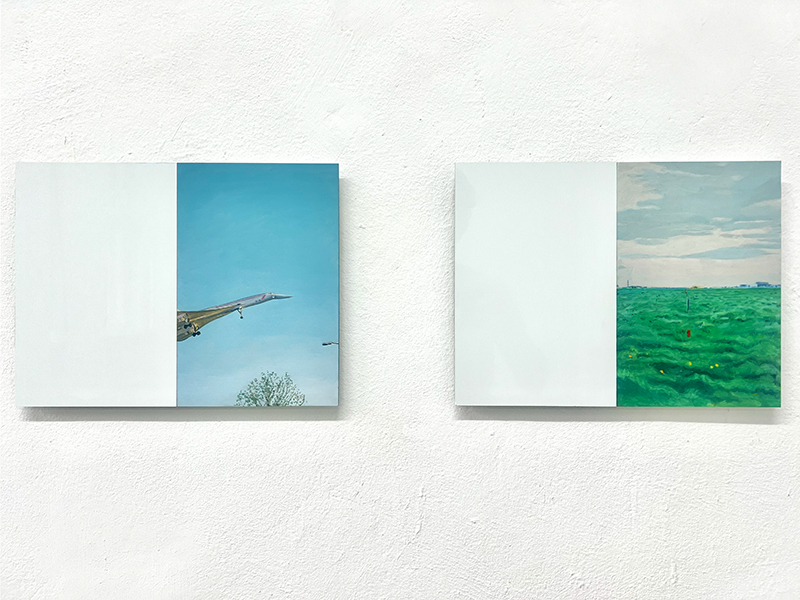
Ausstellungsansicht PASTORAL, Megan Francis Sullivan, 2026
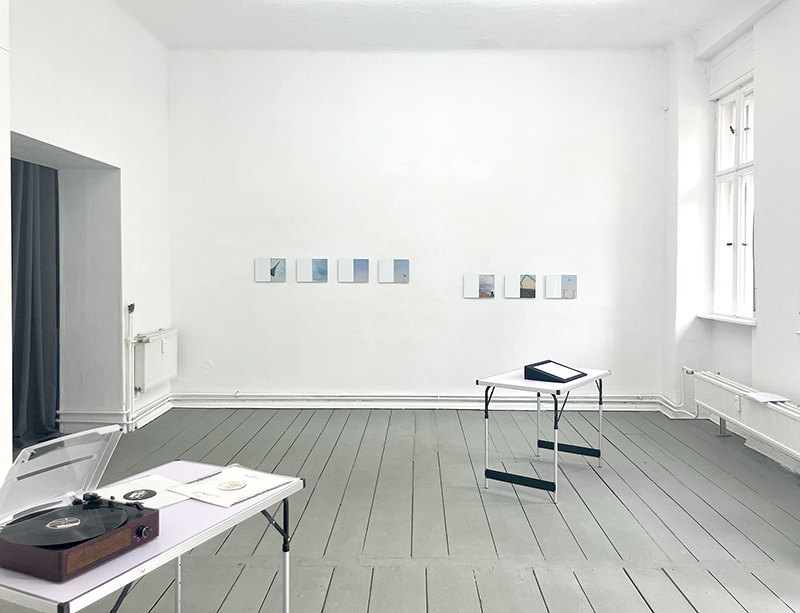
Ausstellungsansicht PASTORAL, Megan Francis Sullivan, 2026
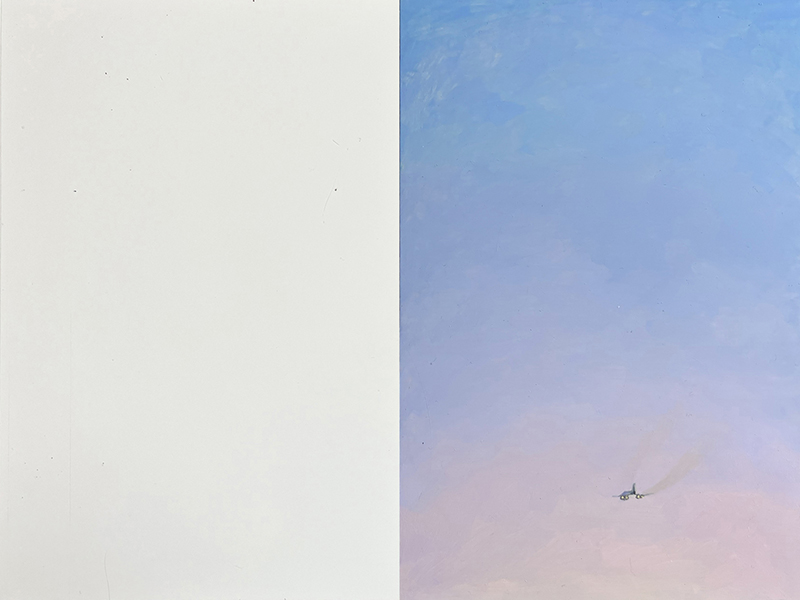
Megan Francis Sullivan, PASTORAL #1-12, 2026, 24 parts, each 16 x 24 cm, oil paint on aludibond,
based on the book Wolfgang Tillmans: Concorde. Verlag der Buchhandlung Walther König, Köln, 1997/2025.
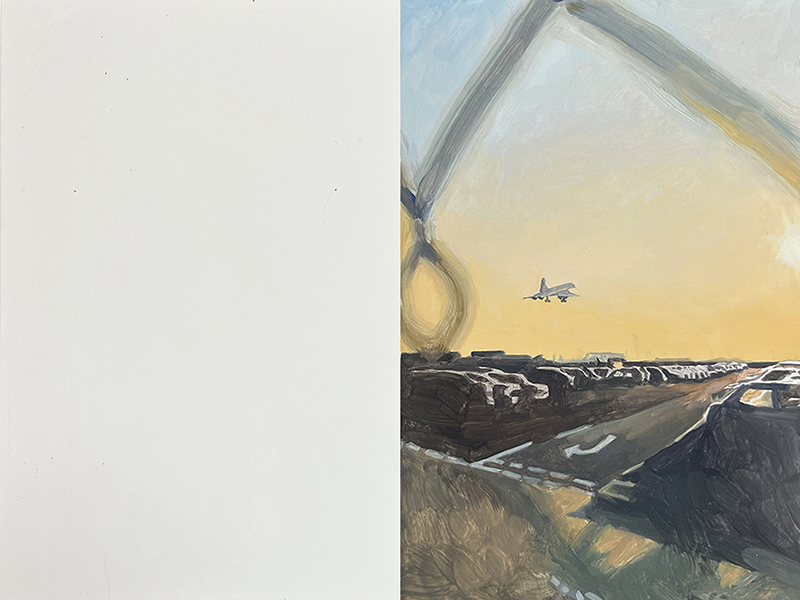
Megan Francis Sullivan, PASTORAL #1-12, 2026, 24 parts, each 16 x 24 cm, oil paint on aludibond,
based on the book Wolfgang Tillmans: Concorde. Verlag der Buchhandlung Walther König, Köln, 1997/2025.
“Funny old world, isn’t it?”
As of 2026, the ride from Nuremberg to Berlin Hauptbahnhof on an ICE Sprinter typically takes about 2 hours and 50 minutes. In 1996, a Concorde crossed the Atlantic at twice the speed of sound in 2 hours and 52 minutes. It remains a one-of-a-kind record in the history of civil aviation. Nevertheless, the Concorde could cover the London-New York route in an average of just under three and a half hours, instead of the roughly eight hours it takes a standard jet.
The short flight time made it possible—in addition to Phil Collins’ legendary dual performance on July 13, 1985, at the Live Aid Festival held simultaneously at London’s Wembley Stadium and John F. Kennedy Stadium in Philadelphia—for those who could afford the luxury of flying on a Concorde to make regular “time travels.” As far as local time was concerned, you’d arrive in New York before you’d even left your house in London. “Funny old world, isn’t it?” said Collins, in his usual low-key iconic style—wearing a white shirt, greyish pants, and white “Chucks”—during an interlude at his Philadelphia performance. Then came “In the Air Tonight.”
The M>1 nightclub opened in Nuremberg in 1987 and soon connected the old Kaiserstadt with the new world, not without treading water ever since. With DJ Werner—himself an exemplary low-key icon and ever-reliable host—DJs from London, New York, and Chicago came and went there in the early 1990s. In 1993, for example, Deman Rocker and Flinty Badman of the Ragga Twins were in town. You might have known them from their records on Shut Up and Dance Records—some of which were available in Germany at the time—but more likely from their portrait photographed by some Wolfgang Tillmans, which appeared on the cover of the monthly SPEX magazine in June 1992. Unfortunately, their hit “Wipe the Needle” wasn’t played that evening. “We left this one in London,” the Ragga Twins said. No way to fetch the record in time. No Concorde available.
"Concorde is perhaps the last example of a techno-utopian invention from the sixties still to be operating and fully functioning today. Its futuristic shape, speed and ear-numbing thunder grabs peopleʼs imagination today as much as it did when it first took off in 1969,“ writes Wolfgang Tillmans, born in 1968, about his photo book Concorde, first published in 1997, which has since seen five new editions, most recently in 2017, 2024, and 2025. Demand for the 128-page book—which brings together Tillmans’ photographs of Concorde aircraft taking off and landing at Heathrow, mostly observed from a great distance—thus seems to be growing even further. This is despite the fact that Concorde flights were discontinued in the spring of 2003.
Despite exorbitantly high ticket prices—which made the Concorde seem like the preferred mode of transportation for the “happy few” from the worlds of banking, business, and celebrity (think: “Off to Manhattan for a cocktail”)—the venture had never turned a profit for its operators, Air France and British Airways, since scheduled service began in the late 1970s. Unlike the combination of Berghain, low-cost airlines, and a strict policy of no closing times—which bred the so-called “Easyjet-set” which had been successful for a decade and a half as a key item in Berlin’s balance sheet—the Concorde remained a money-losing venture.
In April 2003, the group exhibition deutschemalereizweitausenddrei, initiated by Nicolas Schafhausen, came to a close at the Frankfurter Kunstverein; it is difficult to decide exactly whether it belonged, as a semi-ironic, self-provincializing mock-up, to the grand, officially "national" painting exhibitions of the 1980s more to the old millennium or already to the new one. Despite the obviously "painterly," Caspar David Friedrich-esque, and thus abundant German Romantic quality that characterizes many of Tillmans's works, he was not included in the exhibition. Since then, however, there has been less and less heard about the earlier heated disputes over the extent to which painting can contribute to contemporary art—or whether it can contribute at all—while photography, in plain view but largely unnoticed, quietly met its technical demise.
For her exhibition PASTORAL at schon located in idyllic Friedrichshain, Megan Francis Sullivan (born 1975) revisited Tillmans's photo book Concorde and, shifting it into the production and reception modalities characteristic of painting, created an excerpt from it. She „liked to think of the young Tillmans seeking out or happening upon the scenes, the charge of the photographic moment and the later selection of images into a sequence, punctuated by white pages." The preliminary result of her project is an unfinished group of images—or sets of images—that are quite closely based on the original, as the artist combines a white Aludibond panel of identical format (left) with a painted reproduction (right) of a Tillmans "Concorde" motif in each case. In doing so, she crosses the dramaturgical structure of image viewing—which Tillmans' book dictates through its pacing of blank and image pages—with a deconstruction of its linear-narrative structure, which—by virtue of selection and arrangement—is the result of editorial-curatorial post-production.
In the conception of PASTORAL, a loose conversation between the artist and the author about the whereabouts and condition of Generation X may have played a role, coupled with the question of whether and to what extent Tillmans can be considered an artistic exponent of this generation. Douglas Coupland directed his episodic novel, published in 1991 under the title Generation X, toward an “accelerated culture” from the perspective of those who live “small lives on the periphery” and, when it came to a whole lot of things, simply chose not to participate. This, without immediately—like the cooler members of the boomers—taking a cue from Herman Melville’s Bartleby. “We wanted silence and we have that silence now,” Coupland writes.
Another question would be what difference it makes to have watched the Concorde take off and land from a distance rather than flying on it. And what it means to still be leafing through Tillmans’ book. In any case, the time for PASTORAL is now.
Hans-Jürgen Hafner
Wolfgang Tillmans ‚Nothing Could Have Prepared Us‘, Centre Pompidou, Paris, 13 Jun - 22 Sep 2025“, SPIKE Art Magazine, Issue 85, Winter 2025,108/109.
„Funny old world, isn't it?"
Stand 2026, ist die Strecke Nürnberg-Berlin Hauptbahnhof mit einem ICE Sprinter standardmäßig in rund 2 Stunden 50 Minuten zurückzulegen. 1996 überquerte eine Maschine vom Typ Concorde den Atlantik mit doppelter Schallgeschwindigkeit, in 2 Stunden 52 Minuten. Es blieb ein einmaliger Rekord in der Geschichte der zivilen Luftfahrt. Gleichwohl ließ sich mit der Concorde die Strecke London-New York in durchschnittlich knapp dreieinhalb Stunden statt der rund acht Stunden machen, die ein handelsüblicher Düsenjet braucht.
Die kurze Flugzeit ermöglichte – neben dem legendären Doppelauftritt von Phil Collins am 13. Juli 1985 beim zeitgleich im Londoner Wembley Stadion und im John F. Kennedy Stadion in Philadelphia durchgeführten Live Aid Festival – regelmäßige Zeitreisen für diejenigen, die sich den Luxusflug mit einer Concorde leisten konnten. Was die jeweilige Ortszeit betrifft, kam man früher in New York an, als man in London aus dem Haus gegangen war. „Funny old world, isn't it?", so Collins gewohnt low-key iconic in seinem Bühnenoutfit aus weißem Hemd, beiger Hose und weißen „Chucks" bei einer Zwischenansage während seines Auftritts in Philadelphia. Danach kam „In the Air Tonight."
In Nürnberg eröffnete 1987 die Diskothek M>1 und verband die alte Kaiserstadt bald mit der neuen Welt, ohne selbst groß von der Stelle zu rücken. Mit DJ Werner, selbst eine low key-Ikone als immer-verlässlicher Host, gaben sich dort Anfang der 1990er Jahre DJ's aus London, New York und Chicago die Klinke in die Hand. 1993 waren zum Beispiel Deman Rocker und Flinty Badman von den Ragga Twins in der Stadt. Die beiden konnte man vielleicht von ihren manchmal auch in Deutschland erhältlichen Tonträgern auf Shut Up and Dance Records, wahrscheinlich aber eher von ihrem von Wolfgang Tillmans fotografierten Porträt her kennen, das im Juni 1992 auf dem Cover der Musikzeitschrift SPEX gelandet war. Ihr Hit „Wipe the Needle" wurde an dem Abend leider nicht gespielt. „We left this one in London," hieß es von den Ragga Twins. Die Zeit sei zu knapp, um die Platte zu holen. Keine Concorde available.
"Concorde is perhaps the last example of a techno-utopian invention from the sixties still to be operating and fully functioning today. Its futuristic shape, speed and ear-numbing thunder grabs people?s imagination today as much as it did when it first took off in 1969," schreibt Wolfgang Tillmans, Jahrgang 1968, zu seinem 1997 erstmals erschienen Fotobuch Concorde, das seither fünf Neuauflagen erlebt hat, zuletzt 2017, 2024 und 2025. Die Nachfrage nach dem 128 Seiten umfassenden Buch, das Tillmans' Aufnahmen der zumeist aus großer Ferne beobachteten, in Heathrow startenden und landenden Concorde-Maschinen versammelt, scheint also eher sogar noch zu wachsen. Dies, obwohl der Flugbetrieb der Concorde seit dem Frühjahr 2003 eingestellt wurde.
Trotz exorbitant hoher Ticketpreise, das die Concorde als bevorzugtes Verkehrsmittel der happy few aus der Banken-, Business- und Promiwelt erscheinen ließ – Stichwort: „Zum Cocktail nach Manhattan" –, war das Geschäft für die Betreiber Air France und British Airways seit Beginn des Linienbetriebs Ende der 1970er Jahre nie profitabel geworden. Die Concorde blieb – anders als die eineinhalb Dekaden lang erfolgreiche Kombination aus Berghain, Billigfliegern und Sperrzeitverkürzung, dem sich das sogenannte „Easyjetset" als wichtiger Posten in der Berliner Bilanz verdankt – ein Verlustgeschäft.
Im April 2003 endete im Frankfurter Kunstverein die von Nicolas Schafhausen initiierte Gruppenausstellung deutschemalereizweitausenddrei, von der man nicht so genau sagen kann, ob sie als halbironisches, selbst-provinzialisierendes mock-up auf die großen, amtlich-„nationalen" Malerei-Leistungsschauen der 1980er Jahre eher ins alte, oder schon ins neue Jahrtausend gehörte. Trotz der offensichtlich „malerischen", Caspar David Friedrich-haften und schon deshalb umso deutsch-romantischeren Qualität, war er bei der Ausstellung nicht dabei. Von Streitigkeiten darüber, wie sehr die Malerei einen Beitrag zur Gegenwartskunst leisten kann oder ob überhaupt, hat man seither allerdings immer weniger gehört, während die Fotografie vor aller Augen unbemerkt ihren stillen, technischen Tod starb.
Für ihre Ausstellung PASTORAL in der Idylle Friedrichshains hat sich Megan Francis Sullivan, Jahrgang 1975, Tillmans' Fotobuch Concorde wiedervorgelegt und, in den Produktions- und Rezeptionsmodus der Malerei verschoben, daraus ein Exzerpt erstellt. Ihr habe es gefallen „to think of the young Tillmans seeking out or happening upon the scenes, the charge of the photographic moment and the later selection of images into a sequence, punctuated by white pages." Das vorläufige Ergebnis ihres Projekts ist eine unabgeschlossene Gruppe von Bildern – oder Bildersets –, die sich alle jeweils recht genau an der Vorlage orientieren, indem die Künstlerin eine formatidentische weiße Aludibond-Tafel (links) mit einer gemalten Reproduktion (rechts) eines Tillmans'schen „Concorde"-Motivs kombiniert. Damit kreuzt sie die dramaturgische Struktur der Bildbetrachtung, die Tillmans' Buch mittels seines pacings in Leer- und Bildseite vorgibt, mit einer Zerlegung seiner linear-narrativen Struktur, die – qua Auswahl und Anordnung – Ergebnis redaktionell-kuratorischer Postproduktion ist.
Bei der Ideenfindung und Konzeption von PASTORAL mag eine lose zwischen Künstlerin und Autor geführte Konversation über Verbleib und Zustand der Gen X mitgespielt haben, verbunden mit der Frage, ob und inwieweit Tillmans als künstlerischer Exponent dieser Generation gelten kann. Douglas Coupland richtete seinen 1991 unter dem Titel Generation X veröffentlichten Episodenroman an eine „beschleunigte Kultur" aus der Perspektive derer, die „small lives on the periphery" leben und es bevorzugten bei einer ganzen Menge Sachen schlicht nicht mitzumachen. Dies, ohne sich gleich, wie die cooleren unter den Boomern, bei Herman Melvilles Bartleby unterzuhaken. „We wanted silence and we have that silence now," heißt es bei Coupland.
Eine andere Frage wäre, was es für einen Unterschied macht, der Concorde aus der Ferne beim Starten und Landen zugeschaut zu haben, statt mitzufliegen. Und was es heißt, heute immer noch in Tillmans' Buch zu blättern. Die Zeit von PASTORAL ist jedenfalls jetzt.
Hans-Jürgen Hafner
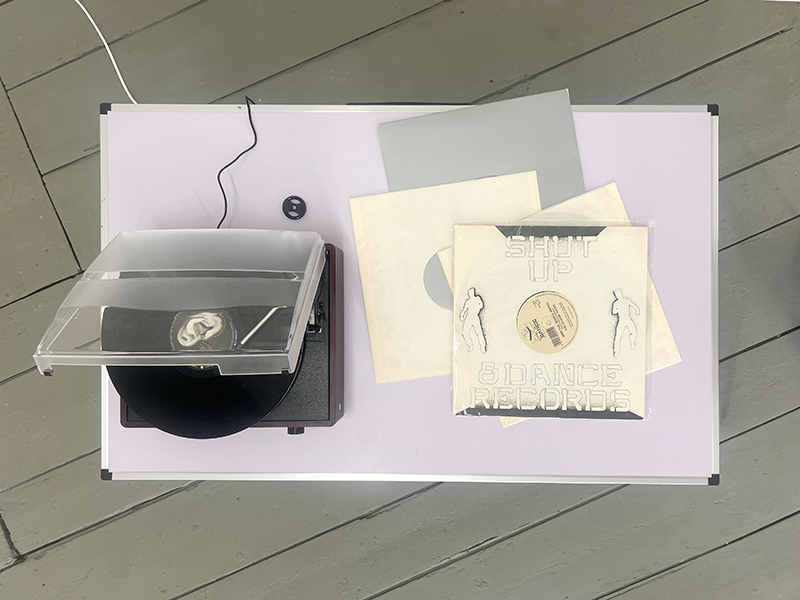
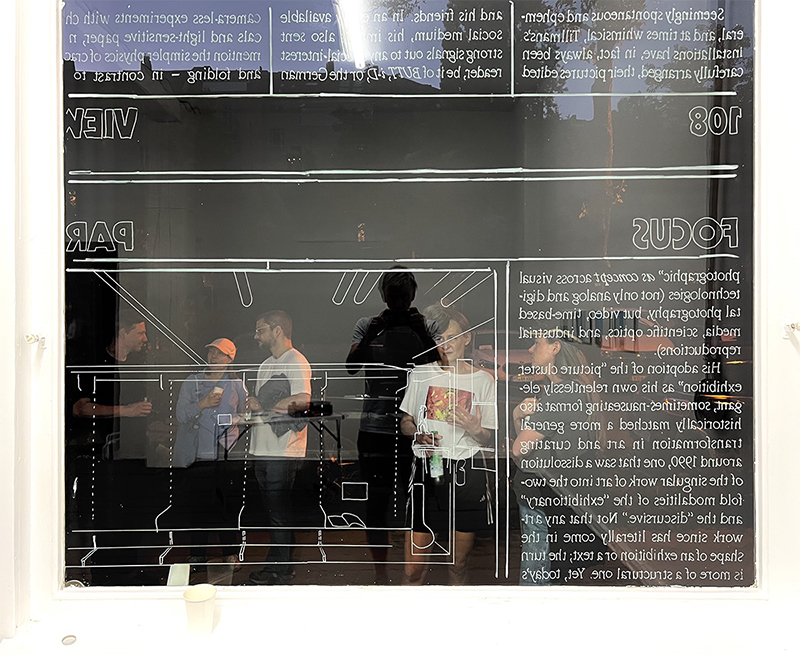
Wolfgang Tillmans ‚Nothing Could Have Prepared Us‘, Centre Pompidou, Paris, 13 Jun - 22 Sep 2025“, SPIKE Art Magazine, Issue 85, Winter 2025,108/109.
Value Shuttles. 1+1=3
Mit Arbeiten von Horst Bartnig, KP Brehmer, Martin Doerr, Hans-Christian Lotz, Carla Nagel, Suse Weber
Ausstellung: 10. April bis 29. Mai 2026
Geöffnet immer Freitag von 16-19 Uhr und nach Vereinbarung (+491791097854)
schon
Schreinerstr. 16 / Laden links
10247 Berlin
info@schonen.online
 |
| Hans-Christian Lotz |
 |
| Martin Doerr |
 |
| Horst Bartnig |
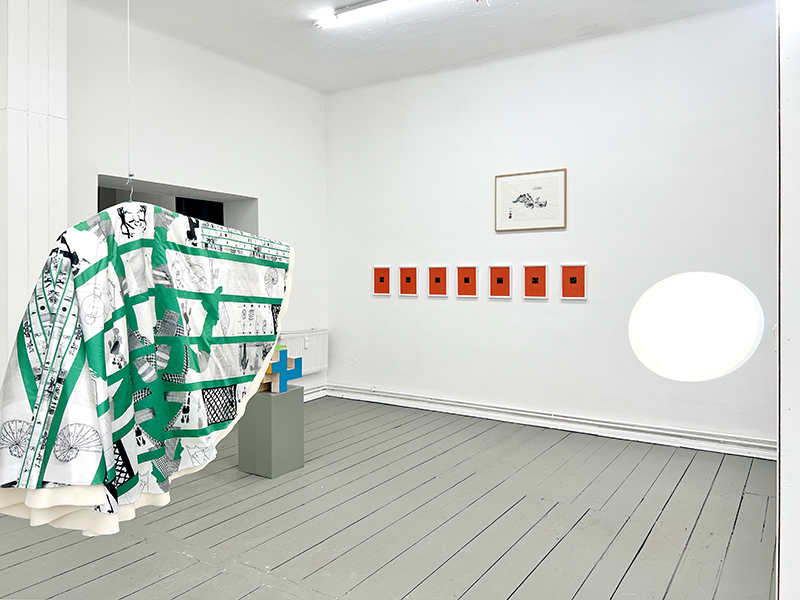 |
| Ausstellungsansicht Value Shuttles. 1+1=3 |
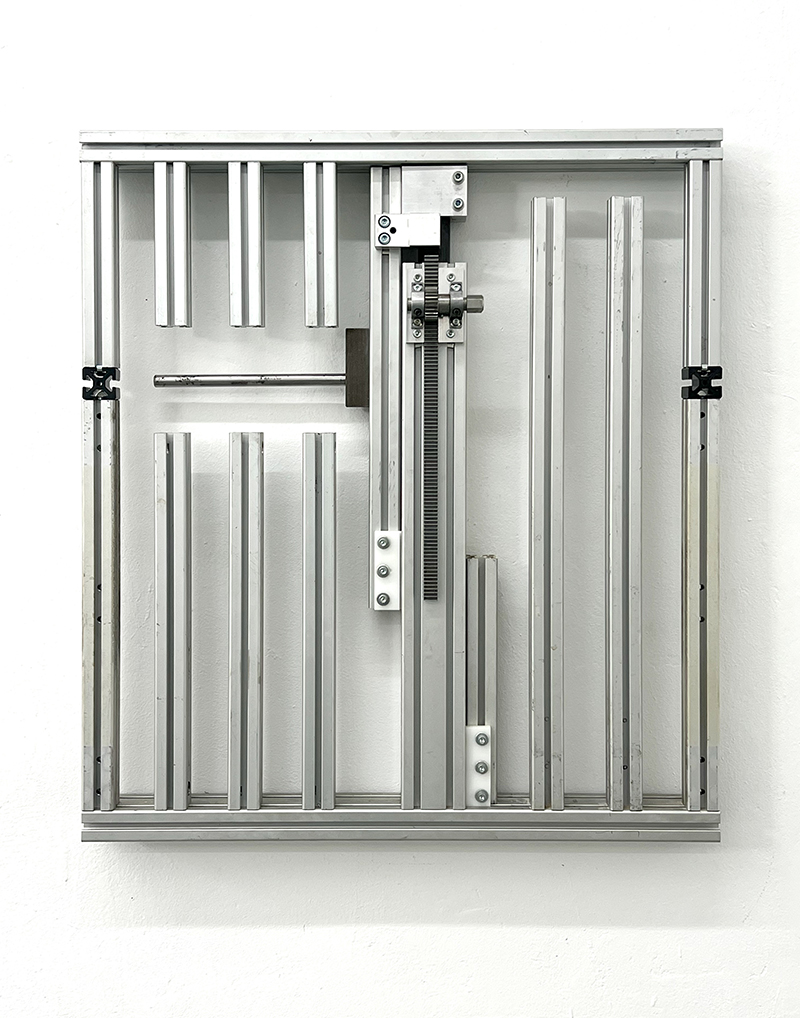 |
| Hans-Christian Lotz |
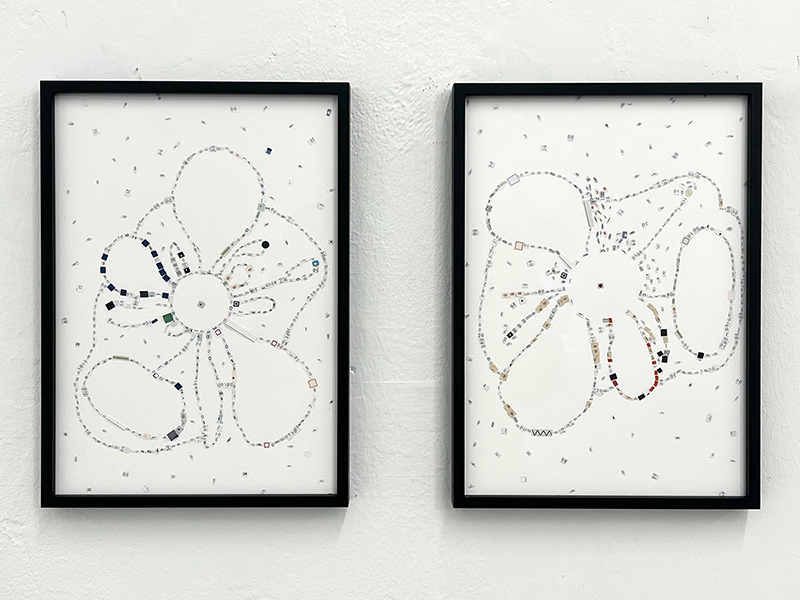 |
| Carla Nagel |
1) Kunst wird oft erst zur Kunst, wenn sie durch bestimmte Türen kommt. Bei Menschen ist das immer noch nicht so. Kunst hat immer einen Ausgangspunkt, selbst wenn sie diesen tunlichst zu vermeiden sucht. Die Kunst besteht darin, - jedenfalls aus dieser Einflugschneise -, eine Transformation zu bewerkstelligen / zu ermöglichen, die den Anfangsmoment noch durchscheinen lässt, aber auch eine anverwandelte Verselbstständigung verursacht. Möglichst mit Überraschungsmomenten dann bei der Betrachtung wie einem leisen „Aha“, ein still konsterniertes „Oh“ oder befremdet stummes „Hä?“. Was oldschool bildnerisch heißen mag, könnte man in vielen Arbeiten in der Ausstellung als generisch bezeichnen. Diese Transfers und Übertragungen operieren dementsprechend mit sehr unterschiedlichen Parametern und Variablen.
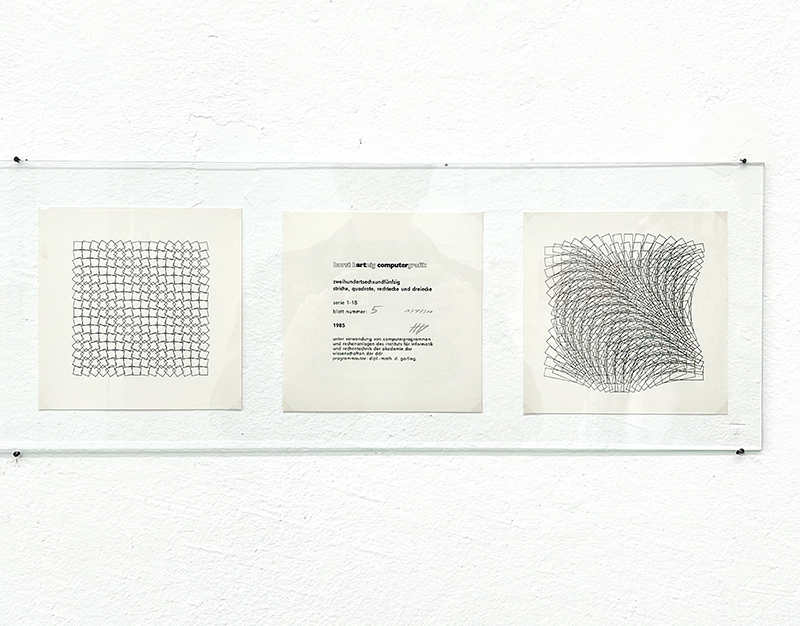
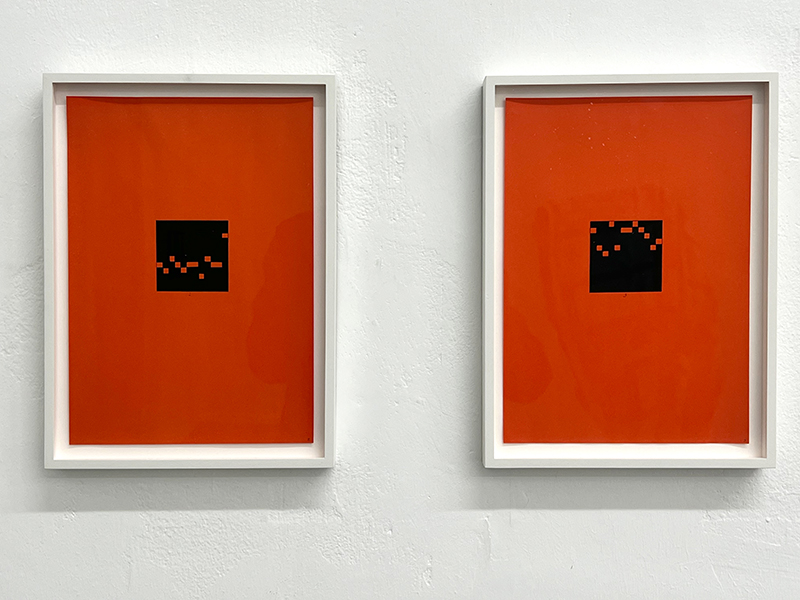
Es kann radikal simpel vor sich gehen, wie in der Ausstellung die Arbeiten von Horst Bartnig zeigen. Bestimmte Zahlenwerte werden in ein bestimmtes Farbsystem innerhalb eines bestimmtes Anordnungssystem übertragen. Diese Versuchsanordnung / künstlerische Methode ist in keiner Weise an einer künstlerischen Handschrift interessiert. Bartnig entwickelte seine strikte Methodik auch in Zusammenhang mit Fragen der Informatik zur abzählenden Kombinatorik, geometrischen Symmetrien und Gruppentheorie. Dass diese radikale abstrakte Position in den 70er & 80er Jahren in der DDR möglich war und ihre Öffentlichkeit hatte, überrascht zumindest aus westdeutscher Sicht, die nach wie vor von einer Ausschließlichkeit figurativer Kunst in der DDR ausgeht.
Bei Carla Nagels aufwändigen Collagen bleiben die Buchstaben scheinbar nur Buchstaben, aber wichtig: es sind materialisierte Buchstaben, die aus ihrem eher leidigen Bestimmungszweck eines Formulars befreit werden. Quasi jeder einzelne Buchstabe oder Formularpartikel wird händisch freigestellt und zu seiner eigenen Hieroglyphe. Mit einer Vielzahl anderer Zeichenschnipsel in ein offenes Bedeutungsmosaik geschickt entstehen so auch Anmutungen von möglichen Notationen für Choreografien oder chiffrierten Schatzkarten/Topografien, die hoffnungsfroh ins Leere laufen. Zeit- und Bildmanagement verwirren sich gegenseitig.
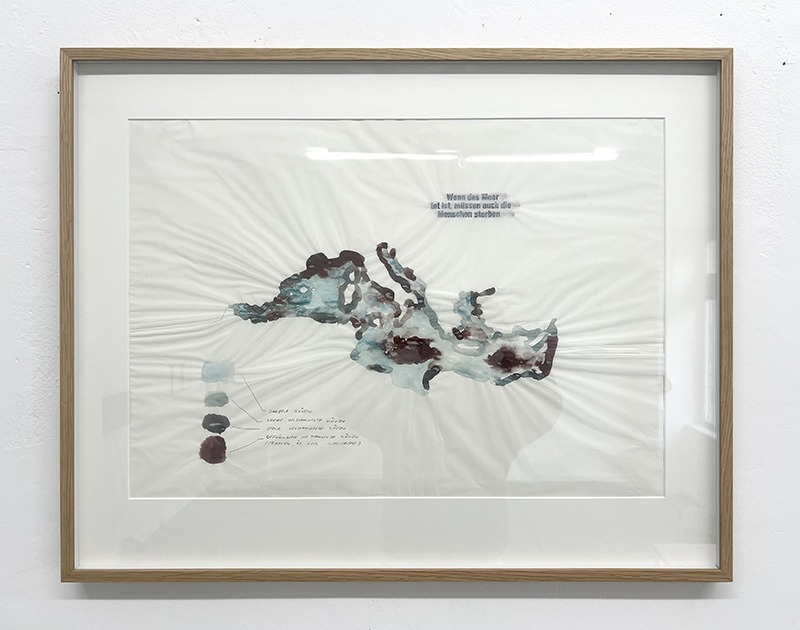
KP Brehmers Zeichenserie „Seele und Gefühl eines Arbeiters (1978-80)“ geht einen anderen Weg. Es sind „direkte“ graphische Übertragungen von Ergebnissen aus der Sozialforschung (R.B.Hersey, ca. 1930). In der Untersuchung wurden über ein Jahr lang Arbeiter am Arbeitsplatz nach ihren Stimmungslagen befragt. Das nicht Abbildbare wird über den Zwischenschritt vieler Fragebögen heruntergebrochen auf Notationen und Graphen, die vom Künstler auch in eine musikalische Partitur übersetzt wurden. Hier werden komplexe innere Wesensvorgänge, die sonst ganze Romane füllen, auf mehreren DIN A4-Blätter diagrammatisch eingedampft.
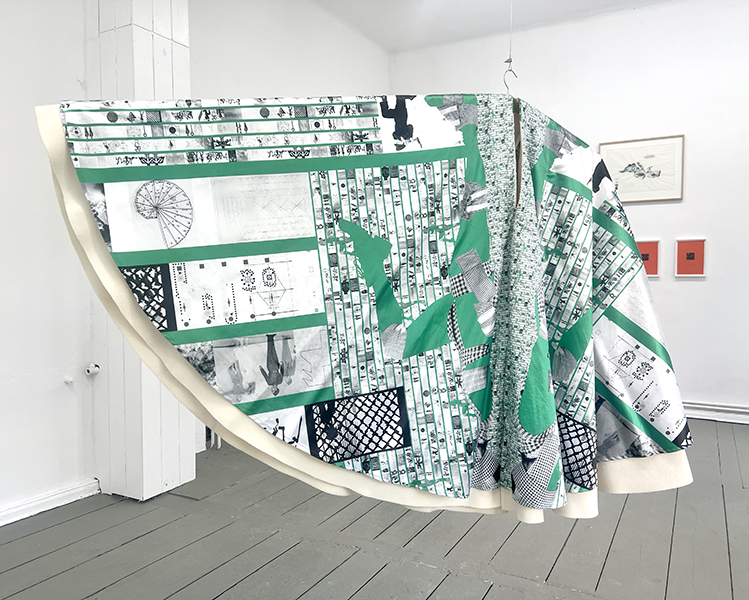
Suse Webers emblematische Skulpturen und skulpturale Zeichenkonvolute arbeiten mit in sich geschlossenen Systemen. Ihr modulares Bedeutungssystem spielt sich mit Notationen, Symbolen und Enblematischem in Wort, Bild und Skulptur gegenseitig die Bälle zu und schafft es, dass mitunter aus dem Ball selbst auch ein Tor mit Netz werden kann. Die so entstandene Deutungsflexibilität schafft Erfrischung für festgefahrene inhaltliche Zuordnungen. Die Frage, wann ist verselbstständigte / hochgradige Komplexität hinfällig oder doch brauchbar, bespielt Suse Weber auch auf der sekundären Wirkungsebene in einer eigenen Schönheitskategorie.
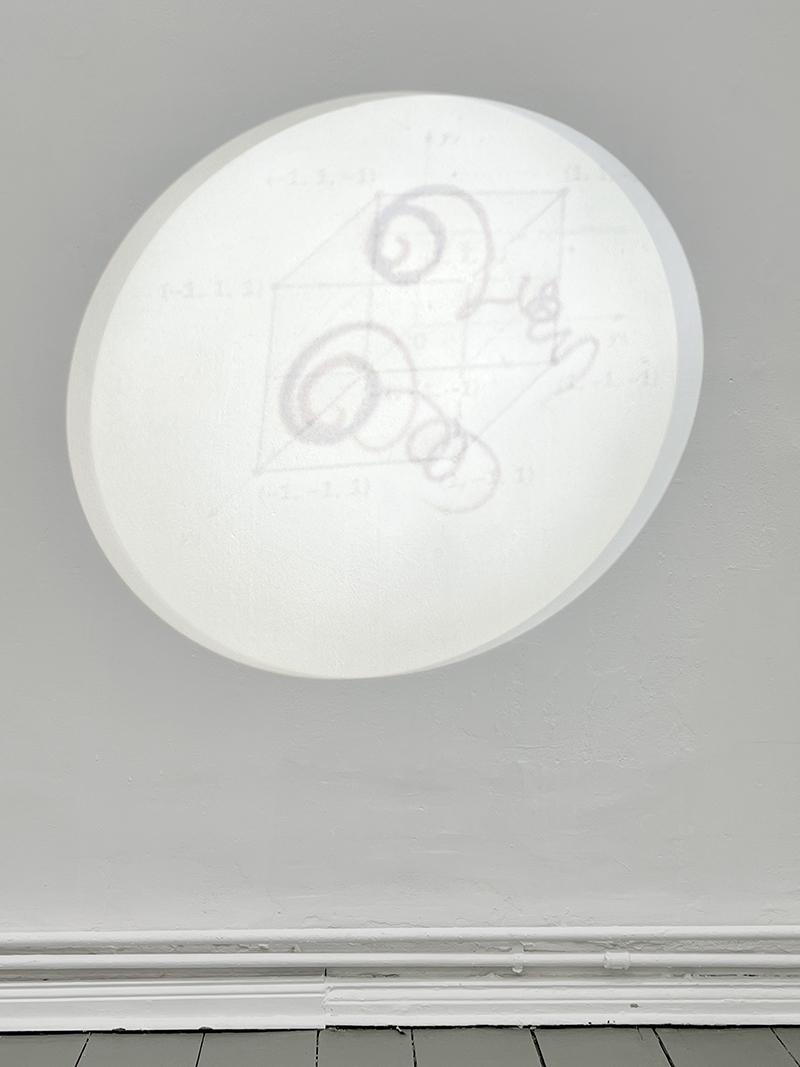
Wenn Sie an dieser Stelle im Pressetext, dem Passus zu Hans-Christian Lotz, angekommen sind, grenzt es an ein Wunder, dass sich dort überhaupt etwas lesen lässt. Es gehört es zu Lotz’ besonderer Kunst, die von ihm eingesetzten, oft industriellen, technisch aufwändigen Materialien mit mehr oder weniger Vintage-Charme hinter einem begrifflich schwer zu fassenden Doppel- und Dreifachsinn verschwinden zu lassen. Auch wenn uns Baupläne - etwa eine geometrisch konstruierte Stellage, die dem Donald Judd’schen Minimalismus einen Drall ins technologisch Abseitige gibt - bekannt, Funktionsweisen - eines bestimmten, zur Bildprojektion geeigneten Beleuchtungssystems aus der Unterhaltungs- und Werbebranche - geläufig sind, entziehen sich uns nicht nur die Objekte, sondern auch, was mit ihrer Hilfe zur Erscheinung gebracht wird, als würde Lotz seine Botschaft mit Zitronensaft auf ein Papier schreiben, das bei der Betrachtung zudem transparent wird.
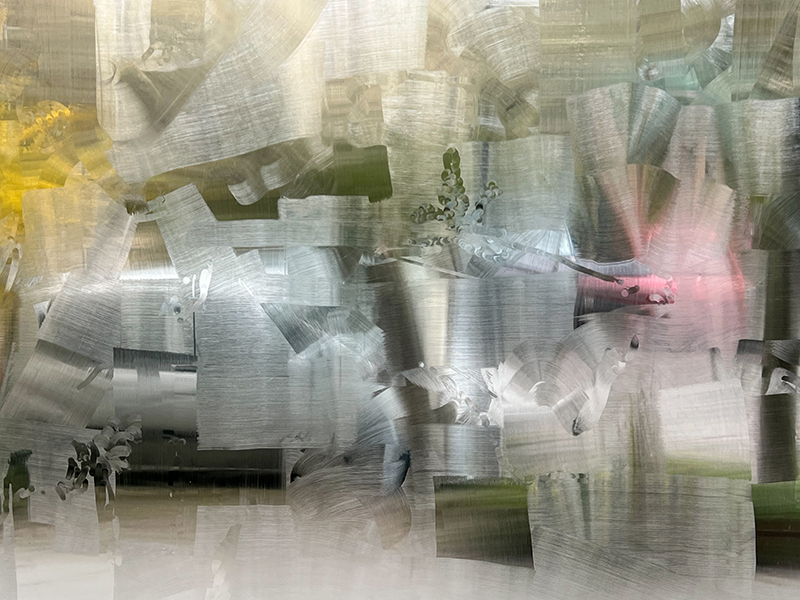
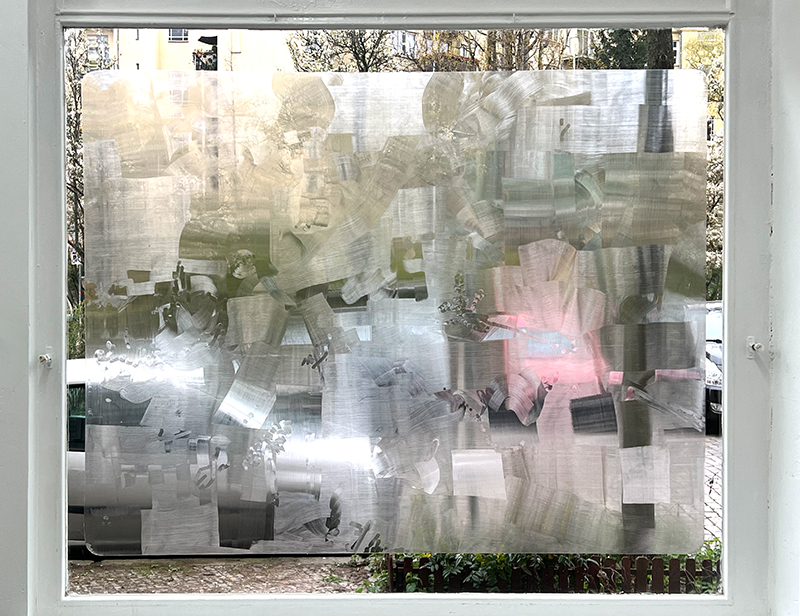
Martin Doerrs Arbeiten spielen sich eher im digitalen Raum mit Game-Engines und digitalen Organismen häufig in einer Cloud ab. Themen wie Schlaf als inszeniertes soziales Gemeinwesen („Body without Narrator“, 2025), das hoffentlich nicht nur auf Datenfracking wartet, oder eine Geschichte der Blendenflecken zeigen ein Gespür für übersehene inhaltliche Ressourcen. Fensterglas, Fett und Gucken bilden bei seinen Fensterarbeiten ein diskursives Bermudadreieck über die große Interface-Frage, wer ist vor oder hinter dem Screen tagtäglich stundenlang ein- oder ausgesperrt: und wie es dem Glas dabei geht.
Die Tür, ob offen oder zu, steht zwischen demjenigen, was davor und dem, was dahinterliegt – von dem die jeweils andere Seite nichts zu wissen braucht. Für uns ist aber vor allem das Dazwischen interessant, das in einer Kunst ganz eigenen Rechts besteht, eine Transformation zu bewerkstelligen, die den Ausgangspunkt ihres Werden noch durchscheinen lässt, während der Fluchtpunkt ihres Seins in noch nicht eindeutig bestimmter Ferne liegt.
2) Geometrische Figuren, zumal, wenn sie als grid oder pattern, in Rastern oder Serien angelegt sind, nennen wir, wenn sie als oder in der Kunst vorkommen, gerne „abstrakt“ und die künstlerischen Verfahren, aus welchen sie hervorgehen, „formal.“ Man könnte sogar so weit gehen, die Abstraktion, die mit der einst „modern“ genannten Kunst phasenweise identisch war, insgesamt als eine Kunst bezeichnen, die ihr Aussehen zum Inhalt hat – und bis zum heutigen Tag entsprechend leicht als Kunst, was sonst?, zu erkennen ist. Dies, obwohl die Abstraktion in der Kunst der Gegenwart einen eher noch schwereren Stand hat als zu den Zeiten, in denen abstrakt aussehende Kunstangebote wenigstens noch auf entschlossene Ablehnung stießen.
Natürlich ist das nicht die ganze Geschichte. Schließlich war das Spektrum, in dem sich Abstraktion als Kunst und Kunst, vice versa, abstrakt äußern konnte (und immer noch kann), wenngleich nicht unendlich, nie exklusiv auf die Geometrie allein beschränkt gewesen – ohne die es freilich auch nicht ganz zu gehen scheint, sobald man, zum Beispiel, einem Jackson Pollock bei Arbeit zusieht, die über aller action im physikalischen Sinne dennoch erstaunlich aufgeräumte paintings abwirft: frag‘ die KI.
Natürlich konnte sich die Abstraktion auch ohne formalen Überbau und geometrische Neigungswinkel in einer Weise gestisch zerlegen oder automatisch verdichten, die in der Kunst zuvor ungekannt war, vor allem, wenn es die guten alten Bild- und Objektformen selbst betraf, an den die Traditionsgattungen Malerei und Bildhauerei zwangsläufig gebunden waren – und die die Kunst bis heute noch nicht losgeworden ist, trotz aller critical, discoursive, educational und political turns, die sie nicht zuletzt infolge ihrer mitunter schrittweisen, manchmal tumultösen Abstraktion durchlaufen hat, je nachdem, wie sehr sich die Repräsentation – oder die Repräsentanten – herausgefordert fühlten. Vielleicht auch deshalb gelang es der Abstraktion einst so spielend, sich als eine Art value shuttle zwischen Material, Form, individuellen Anliegen und herrschenden Verhältnissen ein gesellschafts- und, eben, verhältnisveränderndes, utopisches Potenzial zuzuschreiben. Das scheint Stand 2026, nicht nur der Kunst abhanden gekommen zu sein, egal ob im stillen Kämmerlein auf ein Holzbrett gepinselt oder auf großer und allzu gern staatlich geförderter Bühne zum Mitmachereignis entgrenzt.
Entsprechend könnte es verführerisch sein, gerade an verschiedenen Beispielen einer geometrisch eingehegten, zugleich formalen und multi- wenn nicht intermedialen Abstraktion dem Problem der Grenze als „verschiebbares“ nachzuspüren: wo – und wie – etwa die Grenze zwischen Form und Inhalt, Element und Menge, Material und Symbol, Ursache und Wirkung zu ziehen wäre, getreu dem Motto, dass 1 + 1 = 3 sein kann, wenn man weiß, warum.
Als Ausstellung nimmt sich Value Shuttles. 1 + 1 = 3 trotzdem nur zwei Perspektiven vor, die, wären sie hinter Türen verborgen, einmal die Aufschrift „produktionsästhetisch“ und einmal das Etikett „rezeptionsästhetisch“ trügen. Es könnte darum gehen den Gegenstand der Ausstellung – oder, besser, die zur Ausstellung gebrachten Werke von Horst Bartnig, KP Brehmer, Martin Doerr, Hans-Christian Lotz, Carla Nagel und Suse Weber – einmal aus dem Blickwinkel der Genese anzusehen. Wobei nicht außer Acht zu lassen ist, dass, wer schaut, eine bestimmte Anschauung immer schon mitbringt, die durch das Angeschaute im Idealfall erweitert, erschüttert oder sonst irgendwie verschoben wird, woraus sich das ominöse Dritte ergeben könnte, das die aufgestellte Gleichung erst so richtig rund macht.
schon ist ein temporärer Projektraum organisiert von Hans-Jürgen Hafner & Gunter Reski, mit Unterstützung von Christian Schwarzwald.
Für 2026 sind sechs Ausstellungen geplant.
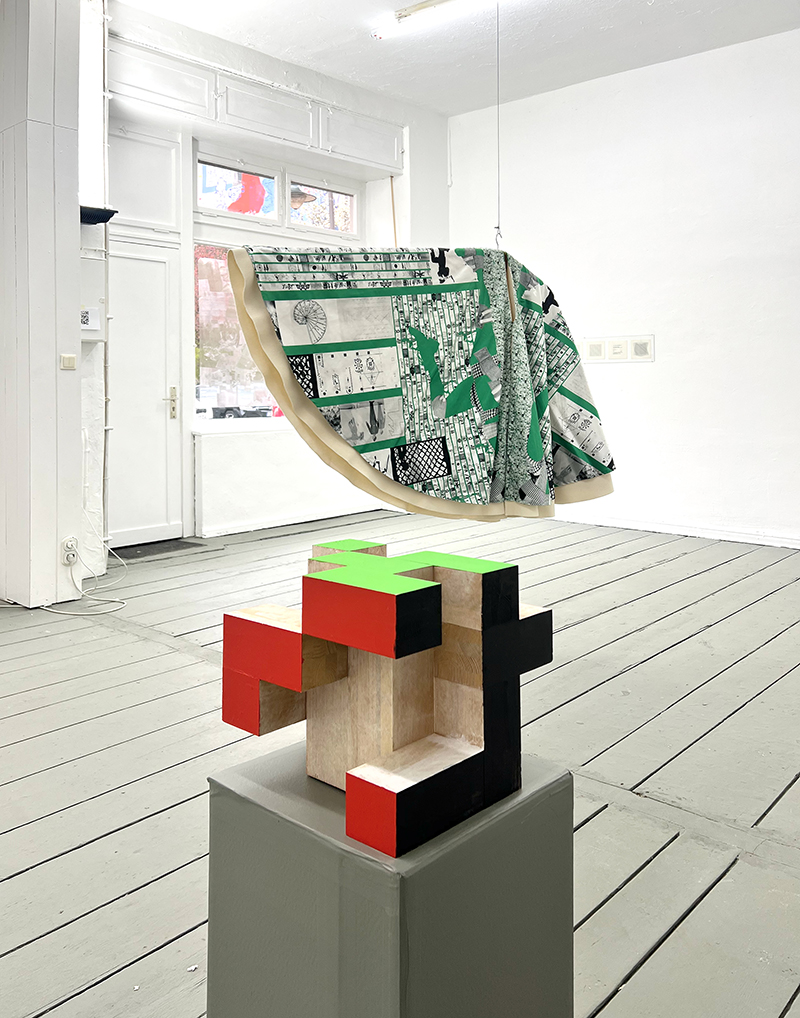 |
| Ausstellungsansicht Value Shuttles. 1+1=3 |
 |
| Martin Doerr |
 |
| KP Brehmer |
 |
| Ausstellungsansicht Value Shuttles. 1+1=3 |
´´ |
| Suse Weber |
´ |
| KP Brehmer |
1) Art often only becomes art once it passes through certain doors. This is still not the case with people. Art always has a starting point, even if it goes to great lengths to avoid it. The art lies in—at least from this perspective—bringing about or facilitating a transformation that still allows the initial moment to shine through, yet also gives rise to a transformed autonomy. Ideally, this involves moments of surprise during viewing—such as a quiet “Aha,” a silently dismayed “Oh,” or a bewildered, silent “Huh?” What might be called “old-school” in the visual arts could be described as “generic” in many of the works in the exhibition. These transfers and transpositions operate accordingly with very different parameters and variables.
It can proceed in a radically simple manner, as the works by Horst Bartnig in the exhibition demonstrate. Specific numerical values are transferred into a specific color system within a specific arrangement system. This experimental setup / artistic method is in no way interested in an artistic signature. Bartnig also developed his strict methodology in connection with questions of computer science regarding enumerative combinatorics, geometric symmetries, and group theory. That this radical abstract position was possible in the GDR during the 1970s and 1980s and had a public presence is surprising, at least from a West German perspective, which still assumes the exclusivity of figurative art in the GDR.
In Carla Nagel’s elaborate collages, the letters appear to remain merely letters, yet they are significant: they are materialized letters liberated from their rather tedious intended purpose on a form. Virtually every single letter or form particle is cut out by hand and becomes its own hieroglyph. Cleverly combined with a multitude of other snippets of symbols into an open mosaic of meaning, this also creates the impression of possible notations for choreographies or encrypted treasure maps/topographies that run hopefully into the void. Time and image management become intertwined.
KP Brehmer’s series of signs “Seele und Gefühl eines Arbeiters (1978–80)” takes a different path. These are “direct” graphic transcriptions of findings from social research (R.B. Hersey, ca. 1930). In the study, workers were surveyed at their workplaces over the course of a year regarding their moods. That which cannot be depicted is broken down, via the intermediate step of numerous questionnaires, into notations and graphs, which the artist also translated into a musical score. Here, complex inner psychological processes—which would otherwise fill entire novels—are distilled diagrammatically onto several sheets of A4 paper.
Suse Weber’s emblematic sculptures and sculptural convolutes of signs operate within self-contained systems. Her modular system of meaning plays a game of passing the ball back and forth with notations, symbols, and emblematic elements in word, image, and sculpture, and manages to turn the ball itself into a goal with a net. The interpretive flexibility thus created offers a breath of fresh air for entrenched categorizations of content. Suse Weber also explores the question of when autonomous / highly complex structures become obsolete or, conversely, useful, on a secondary level of effect within a distinct category of beauty.
If you have reached this point in the press release—the passage on Hans-Christian Lotz—it borders on a miracle that anything can be read there at all. It is part of Lotz’s particular artistry to make the materials he uses—often industrial and technically sophisticated—vanish behind a double or triple meaning that is conceptually difficult to grasp, imbued with a more or less vintage charm. Even if we are familiar with construction plans—such as a geometrically constructed rack that gives Donald Judd’s minimalism a twist toward the technologically obscure— and we are familiar with modes of operation—such as a specific lighting system from the entertainment and advertising industries suitable for image projection—not only do the objects elude us, but so does what is brought into view through them, as if Lotz were writing his message with lemon juice on paper that also becomes transparent upon viewing.
Martin Doerr’s works tend to take place in the digital realm with game engines and digital organisms, often in a cloud. Themes such as sleep as a staged social community (“Body without Narrator,” 2025), which hopefully isn’t just waiting for data fracking, or a history of afterimages demonstrate a flair for overlooked thematic resources. Window glass, grease, and gazing form a discursive Bermuda Triangle in his window works around the big interface question: who is locked in or out for hours on end every day—in front of or behind the screen—and how the glass fares in the process.
The door, whether open or closed, stands between what lies before it and what lies behind it—of which the other side need not know anything. For us, however, what is particularly interesting is the in-between, which, in art, possesses a right all its own to effect a transformation that still allows the starting point of its becoming to shine through, while the vanishing point of its being lies in a distance not yet clearly defined.
2) Geometric figures, especially when arranged as grids or patterns, in grids or series, we like to call “abstract” when they appear as or within art, and the artistic processes from which they emerge, “formal.” One could even go so far as to describe abstraction—which was at times synonymous with the art once called “modern”—as an art form whose content is its appearance—and which, to this day, is accordingly easily recognizable as art, what else? This is despite the fact that abstraction in contemporary art has an even harder time than it did in the days when abstract-looking art at least met with outright rejection.
Of course, that’s not the whole story. After all, the spectrum within which abstraction could (and still can) express itself as art, and art vice versa, was—though not infinite—never exclusively limited to geometry alone—without which, of course, it doesn’t seem to work quite as well once one,
for example, watching a Jackson Pollock at work, which, despite all the action in the physical sense, nevertheless yields surprisingly tidy paintings: just ask the AI.
Of course, even without a formal superstructure or geometric angles of inclination, abstraction could decompose gesturally or condense automatically in ways previously unknown in art, especially when it came to the good old pictorial and object forms themselves, to which the traditional genres of painting and sculpture were inevitably bound—and from which art has still not managed to free itself to this day, despite all the critical, discursive, educational, and political turns it has undergone, not least as a result of its sometimes gradual, sometimes tumultuous abstraction, depending on how much the representation—or the representatives—felt challenged. Perhaps this is also why abstraction once so effortlessly succeeded in attributing to itself a utopian potential—one capable of transforming society and, indeed, social relations—as a kind of value shuttle between material, form, individual concerns, and prevailing conditions. As of 2026, this seems to have been lost, not only to art, whether painted on a wooden board in a quiet little room or expanded into a participatory event on a large and all-too-gladly state-funded stage.
Accordingly, it might be tempting to explore the problem of the boundary as “shifting” precisely through various examples of a geometrically confined abstraction that is at once formal and multi-—if not intermedia—: where—and how—the boundary between form and content, element and quantity, material and symbol, cause and effect might be drawn, true to the motto that 1 + 1 = 3 if one knows why.
As an exhibition, Value Shuttles. 1 + 1 = 3 nevertheless addresses only two perspectives which, were they hidden behind doors, would bear the inscription “production aesthetics” and the label “reception aesthetics,” respectively. The aim might be to view the subject of the exhibition—or, rather, the works by Horst Bartnig, KP Brehmer, Martin Doerr, Hans-Christian Lotz, Carla Nagel, and Suse Weber presented in the exhibition—from the perspective of their genesis. It should not be overlooked, however, that the viewer always brings a certain perspective with them, which is ideally expanded, shaken, or otherwise shifted by what is viewed, from which the ominous third element might emerge, the one that truly completes the equation.
summe & teile
Mit Beiträgen von Wolfgang Breuer, Milena Büsch, Ergül Cengiz, Heinrich Dunst, Olivier Foulon, Sophie Gogl, Michael Hakimi, Nassim L’Ghoul, Christine Lemke, Albrecht Kastein, Maximilian Kirmse, Tonio Kröner, Severine Meier, Inka Meißner, Mariella Mosler, Christopher Müller, Leonie Nagel, Melanie Ohnemus, Henrik Olesen, Francesca Raimondi, Isabell Ratzinger, Jonas Roßmeißl, Martin Schmidl, Christian Schwarzwald, Dominik Sittig, Andrzej Steinbach, Daniela Stöppel, Susanne von Falkenhausen, Nadim Vardag und Nathalie Wilke
Eröffnung: 24. Januar 2026, 19-22 Uhr
Ausstellung: 24. Januar bis 6. März 2026
In der Ausstellungslaufzeit immer Freitag von 16 bis 19 Uhr und nach Vereinbarung (+491791097854) geöffnet
schon
Schreinerstr. 16 / Nebeneingang links
10247 Berlin
info@schonen.online
www.schonen.online
#schon.info
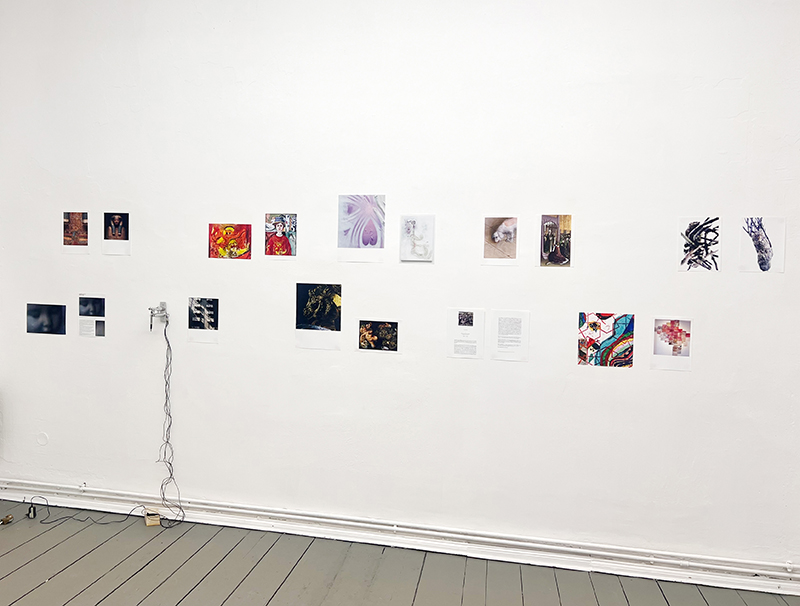 |
| Ausstellungsansicht summe & teile, 2026, schon, Berlin-Friedrichshain |
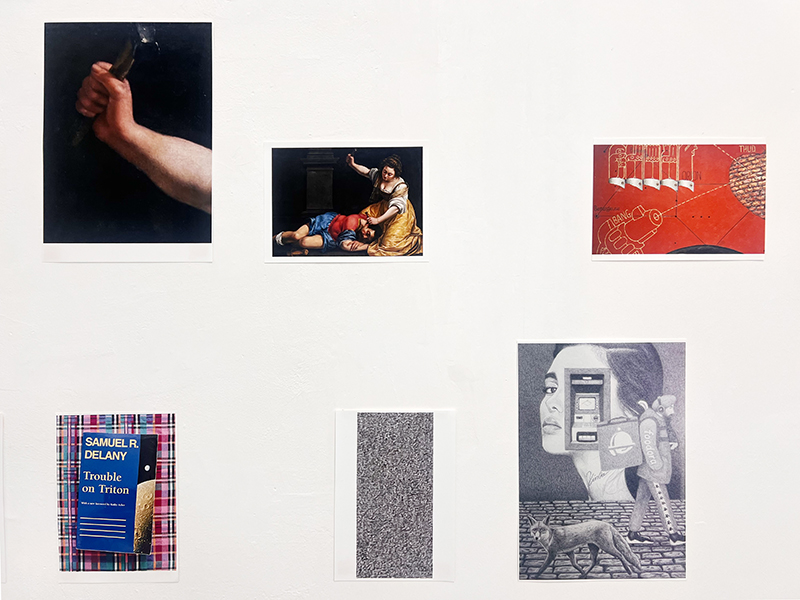
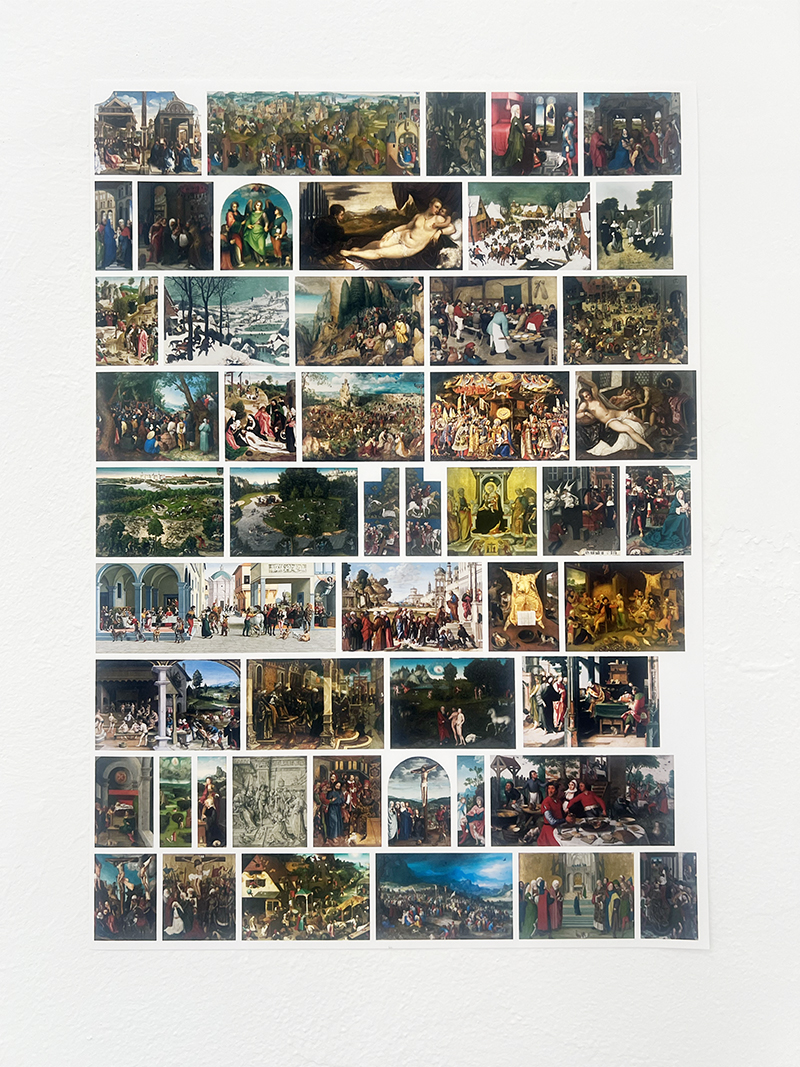
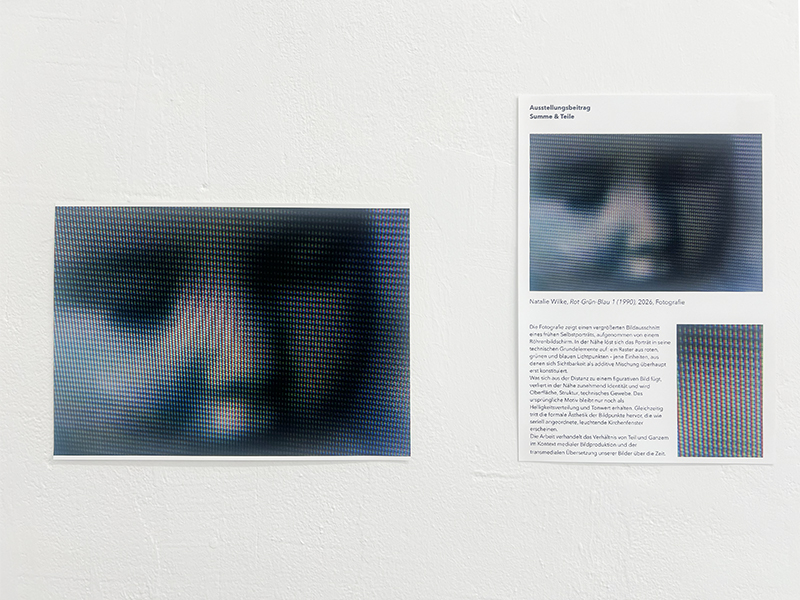
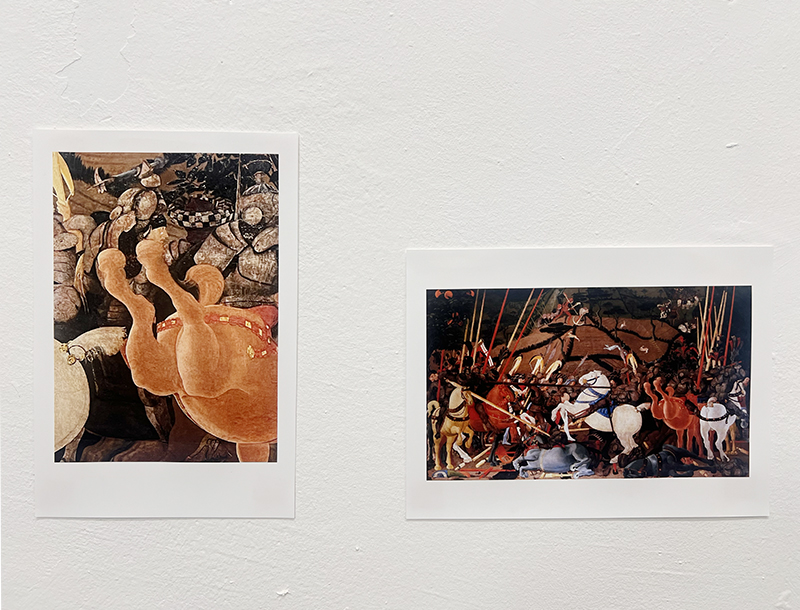
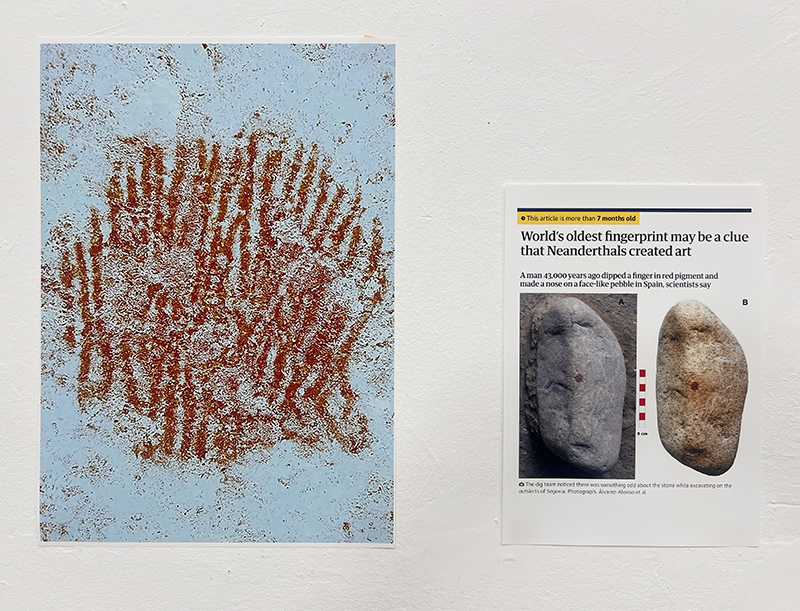
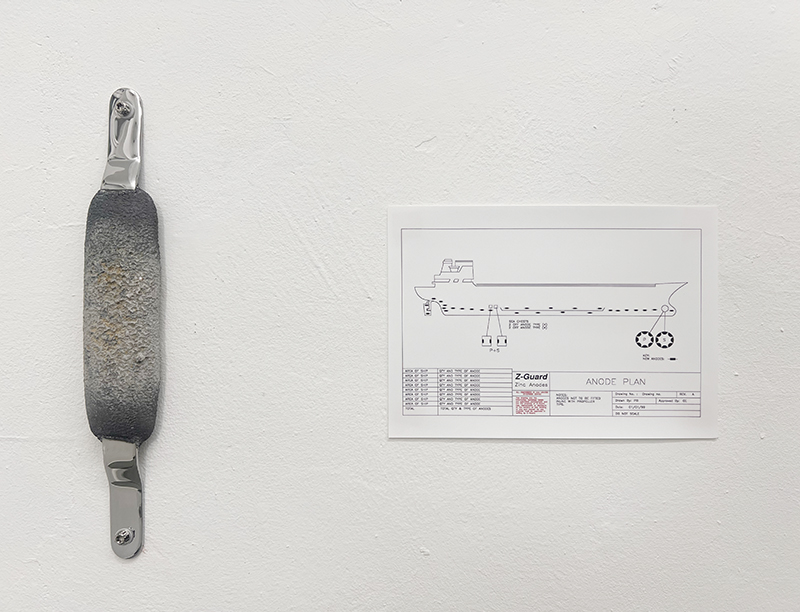
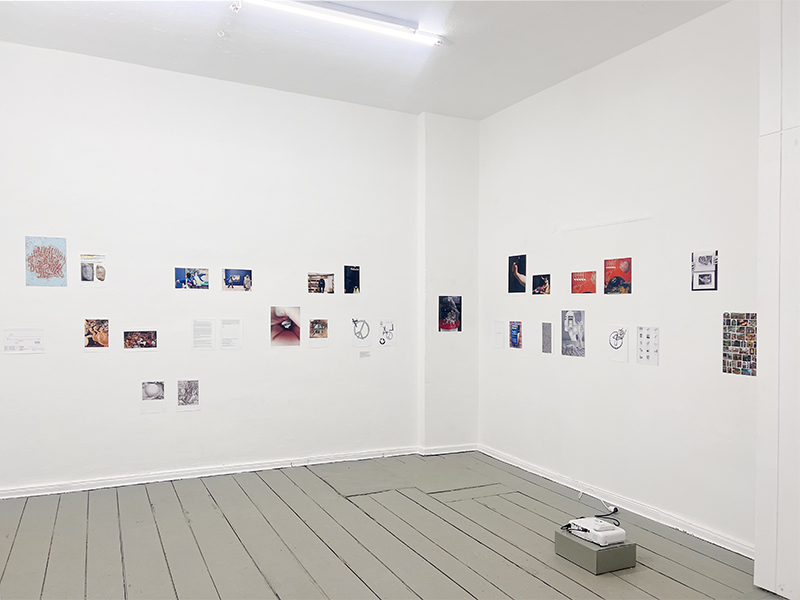
Kein Wald ohne Bäume, heißt es. Aber auch, dass, wer auf den Wald scharf stellt, den einzelnen Baum aus dem Blick verliert, von Blatt, Ast, Rinde oder dem darunter siedelnden Käfer ganz zu schweigen. Was sich stellt, ist also die Frage nach dem Verhältnis zwischen dem Ganzen und dem Teil, wobei der Fokus auf dem Detail liegen soll. Eine Wechselbeziehung – pars pro toto (oder auch contra) – ist in einigen Beiträgen spürbar, wenn eine flächenmäßig kleine Stelle das gesamte Bild konterkariert oder schlüssig zusammenfasst. Der Shortcut wird zum Summary. Ein Detail zur verselbstständigten Einheit, das die Gesamtansicht schnell vergessen hat. Oder es wird zum Kontrapunkt, der wie ein Grippevirus den Bildorganismus zu spannungsgeladenen Abwehrreaktionen treibt. Kritiker von David Foster Wallace behaupten, in seinen Werken gäbe es keine Seite ohne brillante, herausragende einzelne Sätze, aber so gut wie keine einzige großartige Seite.
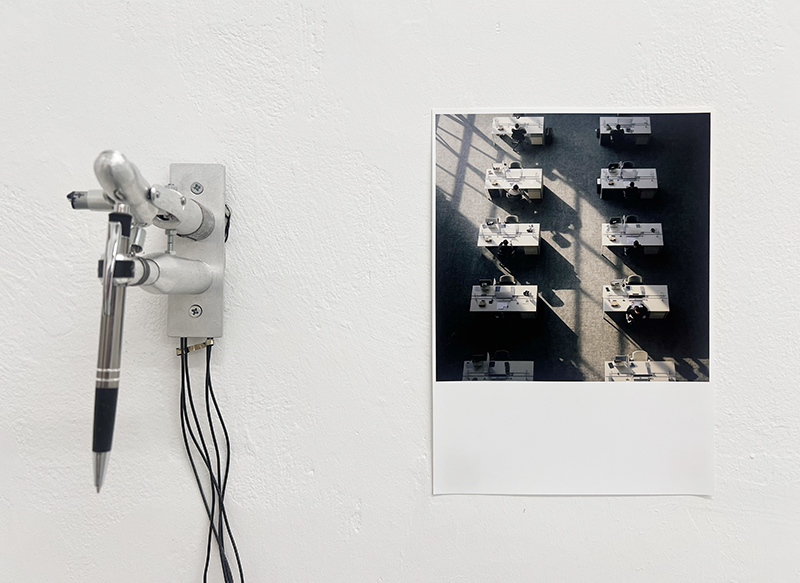
Als Ausstellung funktioniert summe & teile wie ein Schwenk über dreißig Paarungen, die zwischen Zoom und Totale pendeln gehen – jeweils ausgewählt von Autorinnen, Künstlern, Kuratorinnen, Sammlern und Galeristinnen.
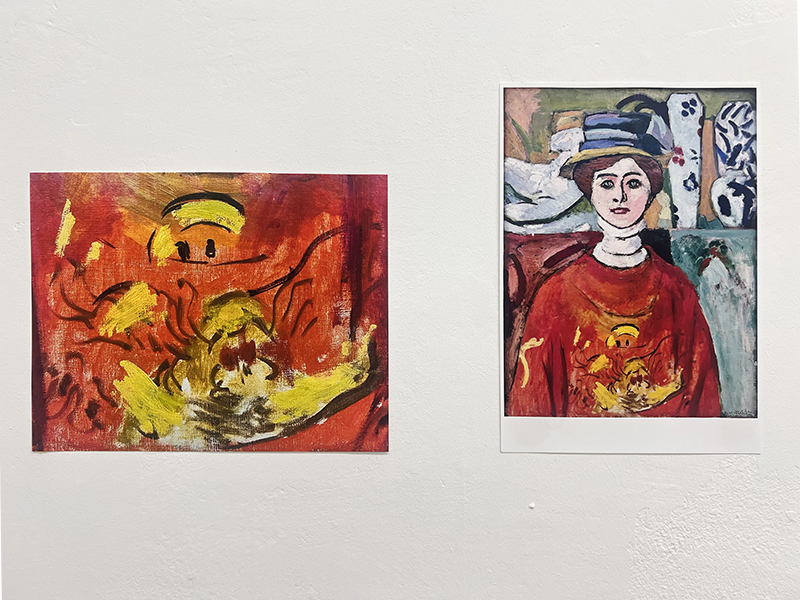
Details können aus sogenannten Meisterwerken – etwa von Artemisia Gentileschi und Henri Matisse – stammen oder sonst üblicherweise im Schiffsbau funktionale Verwendung finden. Es mögen alte, sozusagen „ewige“ Lieblingsstellen sein, wie sie einem in einem Bild oder an einem Objekt dennoch immer wieder neu ins Auge stechen. Vielleicht auch, weil sie widerständig, opak und auf sich selbst bezogen bleiben: Details, die einem nicht aus dem Kopf gehen wollen. Die sich wie eine Art persönliches meme – oder ein Fetisch – nachhaltig in der Erinnerung/im Unbewussten festgesetzt haben, um sich unerwartet bemerkbar zu machen. Ein anderes Beispiel für das aktuelle Interesse an Bilddetails liefert ein finanzielles Beteiligungsmodell des Investors Thomas Kaplan. Hier werden quadratzentimeter-große Bildanteile von Rembrandt-Bildern als shares per Bitcoin angeboten. Also viele Möglichkeiten, wie man sich im Ganzen und im Detail auch schön verlieren kann. Das möchte diese Ausstellung zeigen und trotzdem den Blick auf das Wesentliche, sprich, auch auf das Übersehene richten.
schon ist ein temporärer Projektraum organisiert von Hans-Jürgen Hafner & Gunter Reski, unterstützt von Christian Schwarzwald.
Für 2026 sind sechs Ausstellungen geplant.
No forest without trees, as the saying goes. But it also means that if you focus on the forest, you lose sight of the individual trees, not to mention the leaves, branches, bark, or the beetles living underneath. This raises the question of the relationship between the whole and the part, with the focus on the detail. An interrelationship—pars pro toto (or contra)—is noticeable in some contributions when a small area counteracts or conclusively summarizes the entire image. The shortcut becomes a summary. A detail becomes an independent entity that quickly overshadows the overall view. Or it becomes a counterpoint that, like a flu virus, drives the image organism to tense defensive reactions. Critics of David Foster Wallace claim that there is not a single page in his works without brilliant, outstanding individual sentences, but hardly a single great page.
As an exhibition, summe & teile functions like a pan across thirty pairings that oscillate between zoom and long shot – each selected by authors, artists, curators, collectors, and gallery owners.
Details may come from so-called masterpieces—such as those by Artemisia Gentileschi and Henri Matisse—or otherwise be commonly used for functional purposes in shipbuilding. They may be old, so to speak, “eternal” favorite places, such as those that catch your eye again and again in a picture or on an object. Perhaps also because they remain resistant, opaque, and self-referential: details that refuse to leave your mind. Details that have become permanently embedded in your memory/subconscious like a kind of personal meme – or fetish – only to make themselves felt unexpectedly. Another example of the current interest in image details is provided by a financial investment model developed by investor Thomas Kaplan. Here, square-centimeter-sized sections of Rembrandt paintings are offered as shares via Bitcoin. So there are many ways to lose oneself beautifully in the whole and in the details. This exhibition aims to show this and yet focus on the essentials, i.e., on what is overlooked.
schon is a temporary project space organized by Hans-Jürgen Hafner & Gunter Reski, supported by Christian Schwarzwald.
Six exhibitions are planned for 2026.
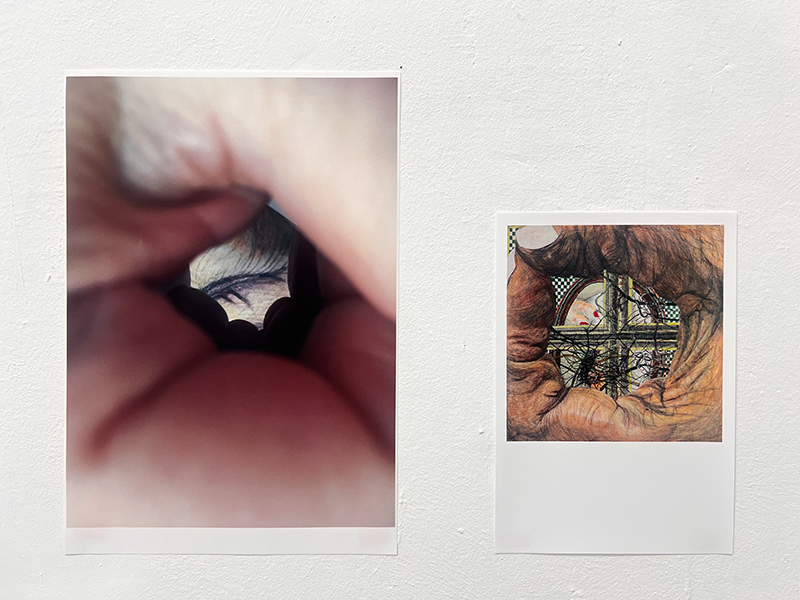 |
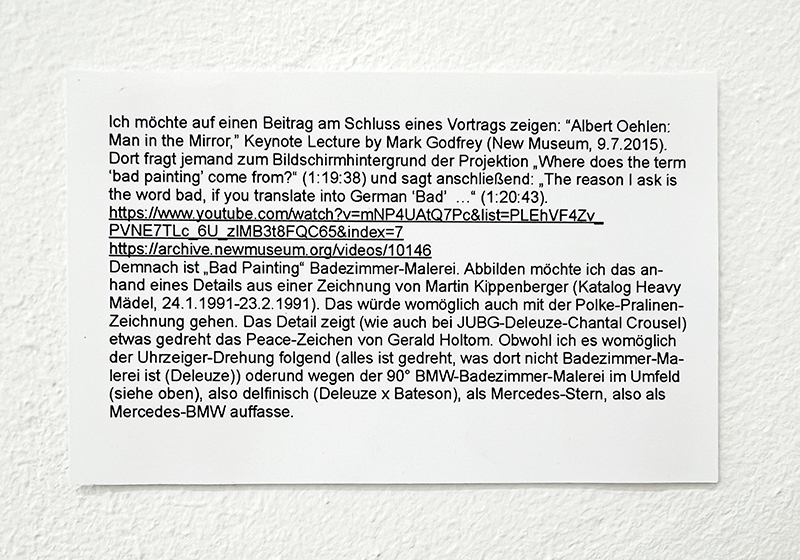
| Beitrag Christine Lemke / Anna Oppermann, Ohne Titel, ca. 1965-1968, Mischtechnik auf Hartfaserplatte, 100 x 100 cm |
 |
 |
| Beitrag Wolfgang Breuer |
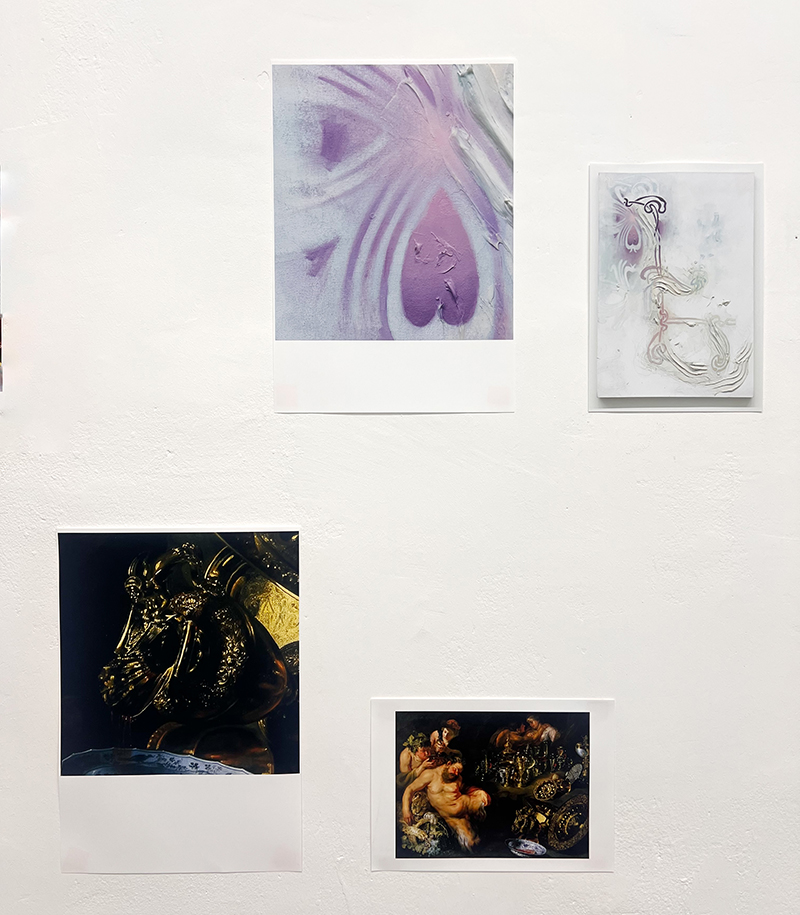 |
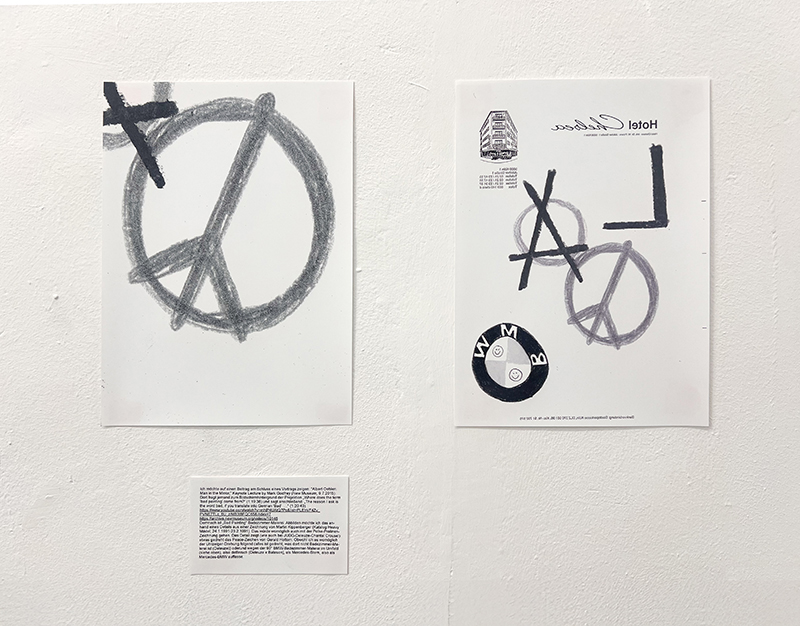
| Beitrag Inka Meißner / Ull Hohn, Interesting shape, 1993 // Beitrag Daniela Stöppel / Peter Paul Rubens, Bacchische Szene - Der träumende Silen, ca 1610-1612, Öl auf Leinwand |
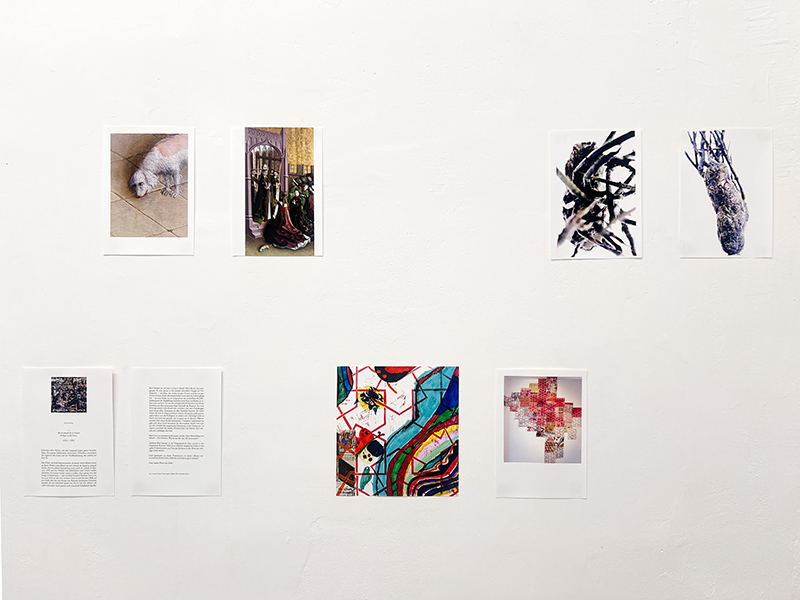 |
| Ausstellungsansicht summe & teile, 2026, schon, Berlin-Friedrichshain |
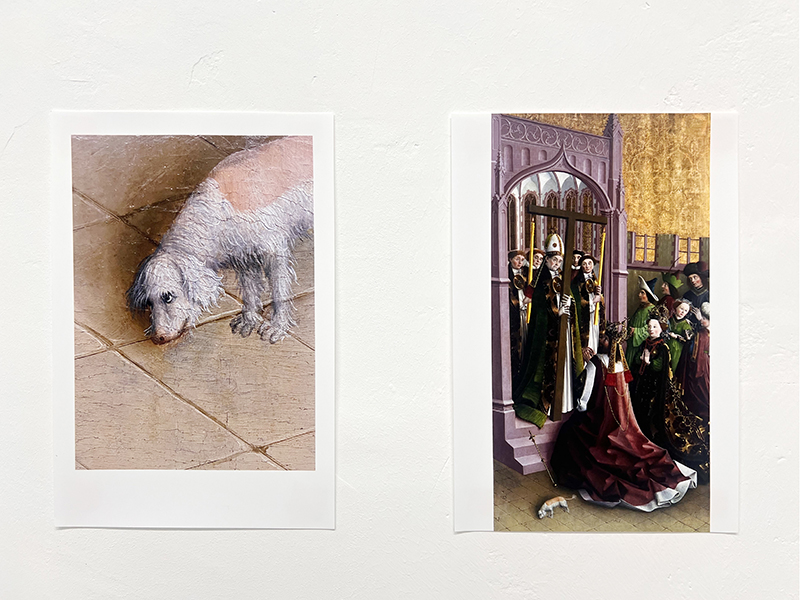 |
| Beitrag Abrecht Kastein / Meister der Darmstädter Passion, Flügel des Orber Altars, um 1460 |
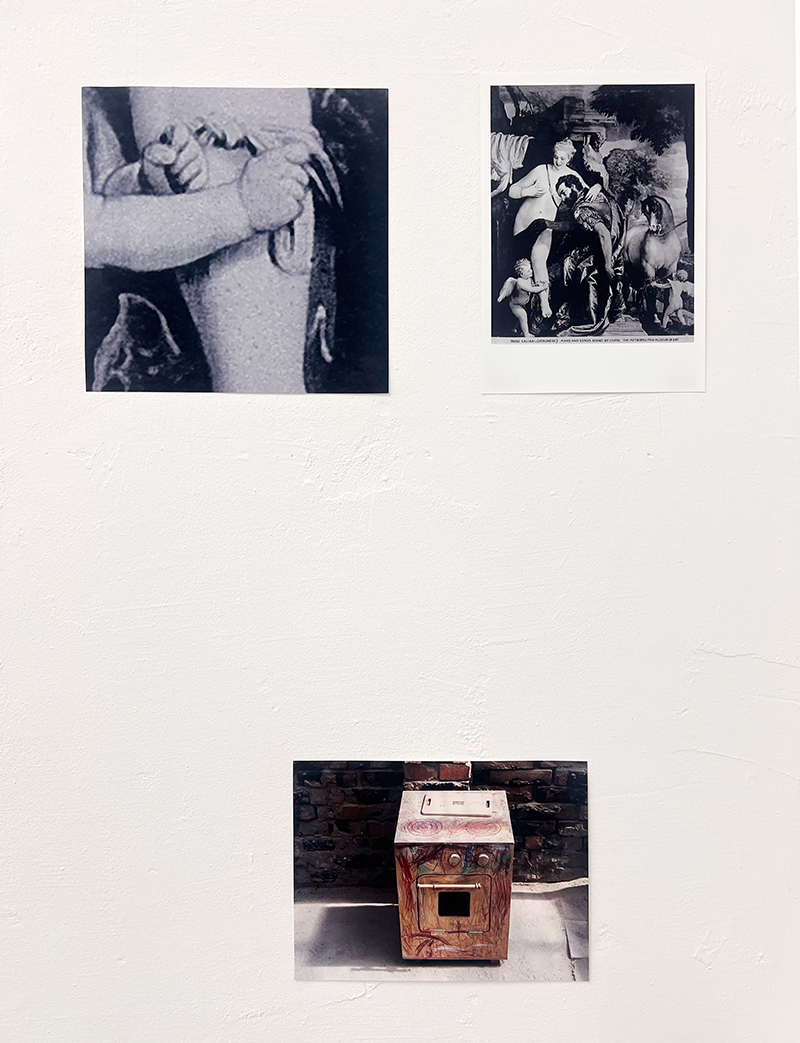 |
| Beitrag Christopher Müller / Beitrag Andrzej Steinbach / Kind wohlhabender Eltern, Kinder aus dem Hafenviertel und ein handbemalter Spielzeugofen |
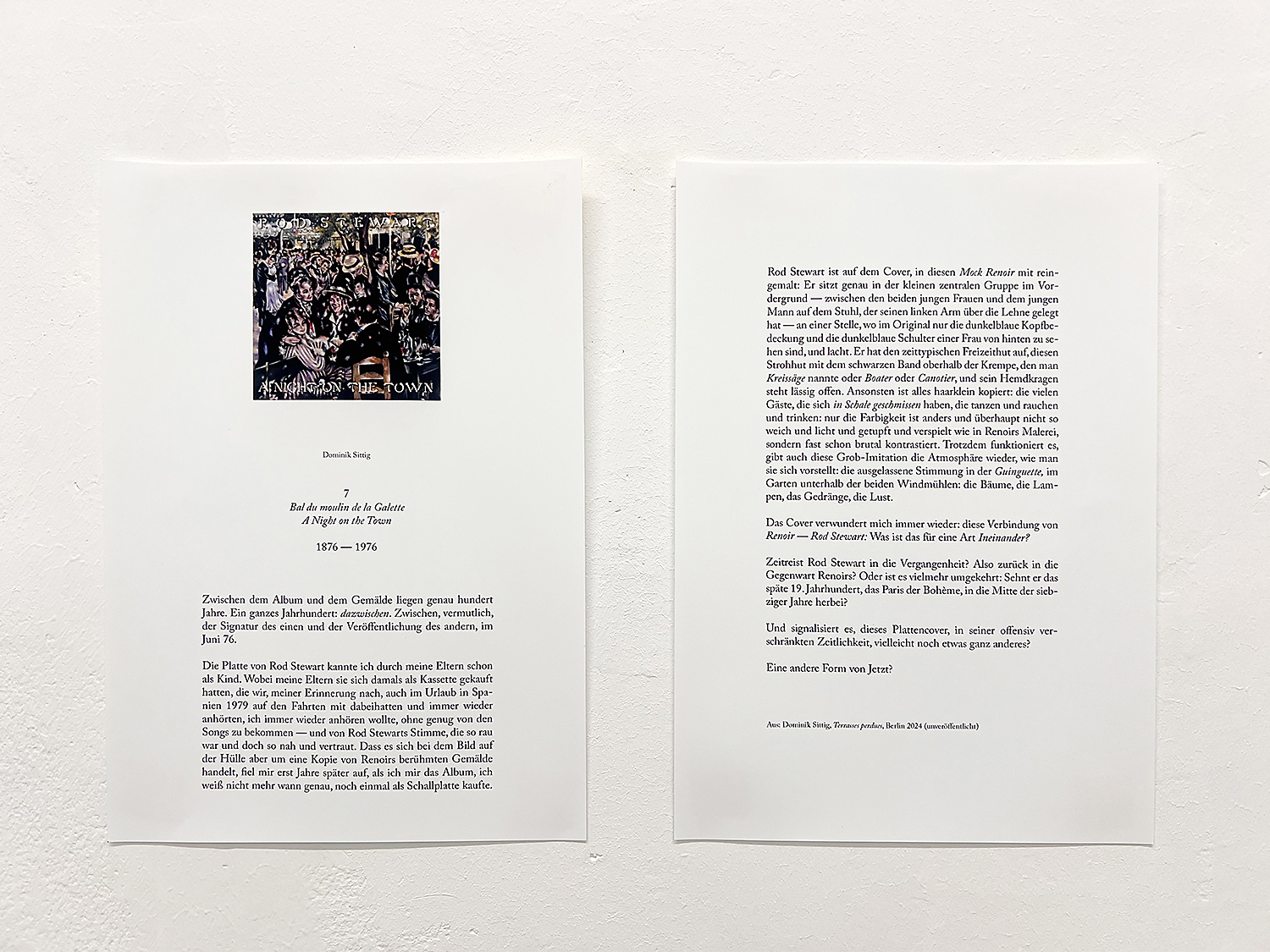 |
| Beitrag Dominik Sittig |
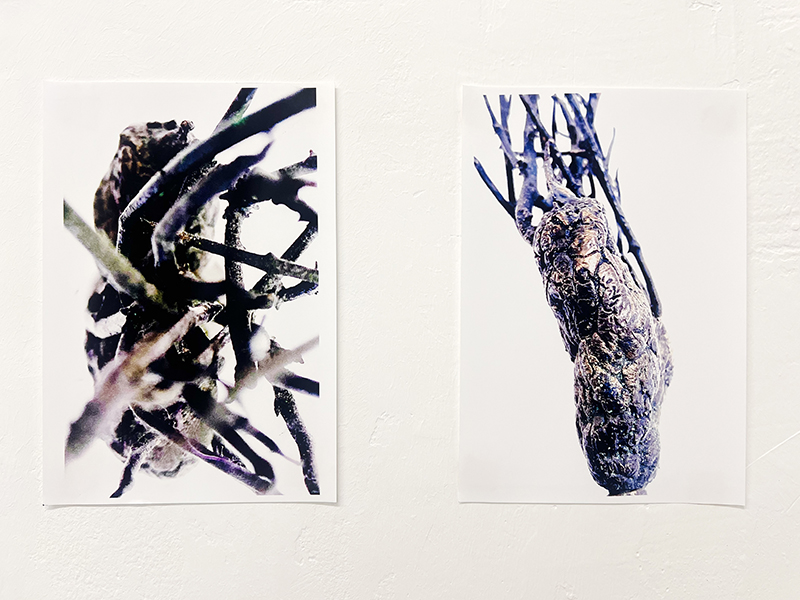 |
| Beitrag Mariella Mosler |
 |
| Ausstellungsansicht summe & teile, 2026, schon, Berlin-Friedrichshain |
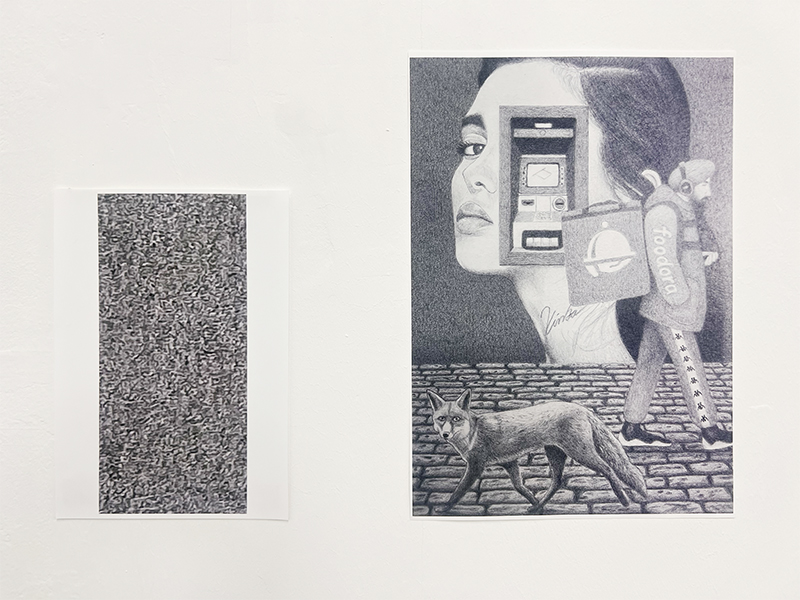 |
| Beitrag Michael Hakimi |
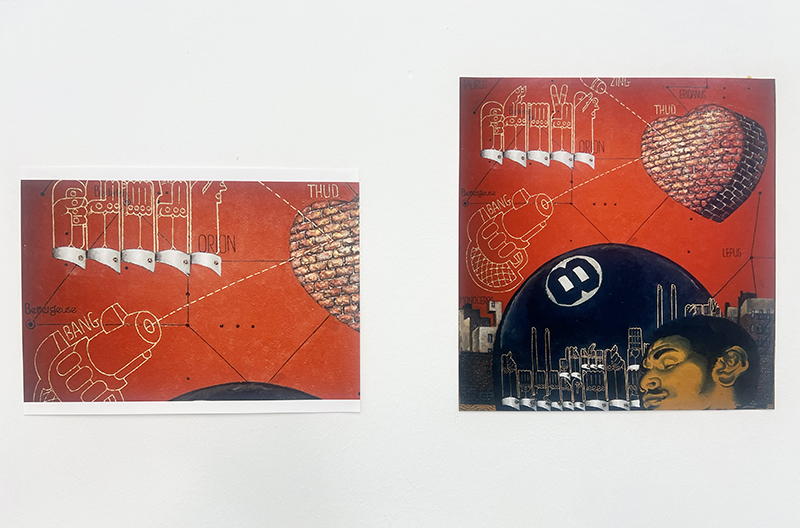 |
| Beitrag Maximilian Kirmse |
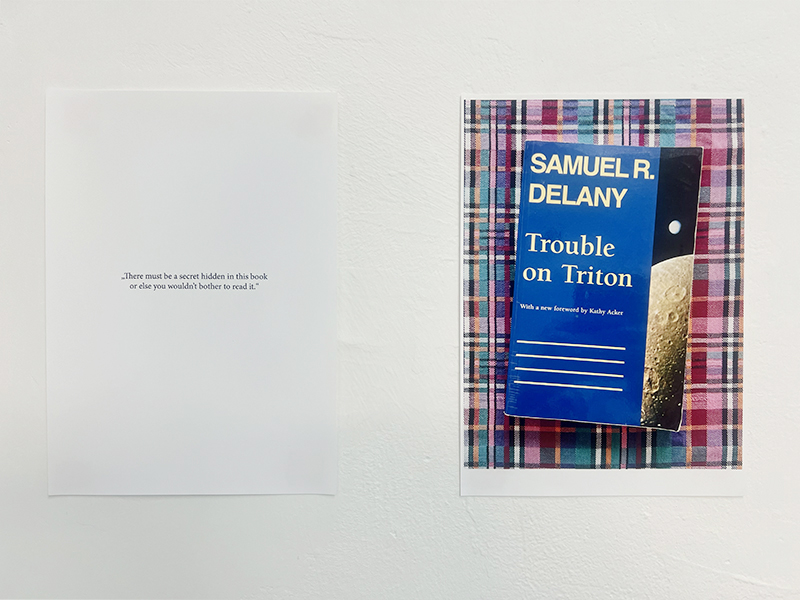 |
| Beitrag Tonio Kröner |
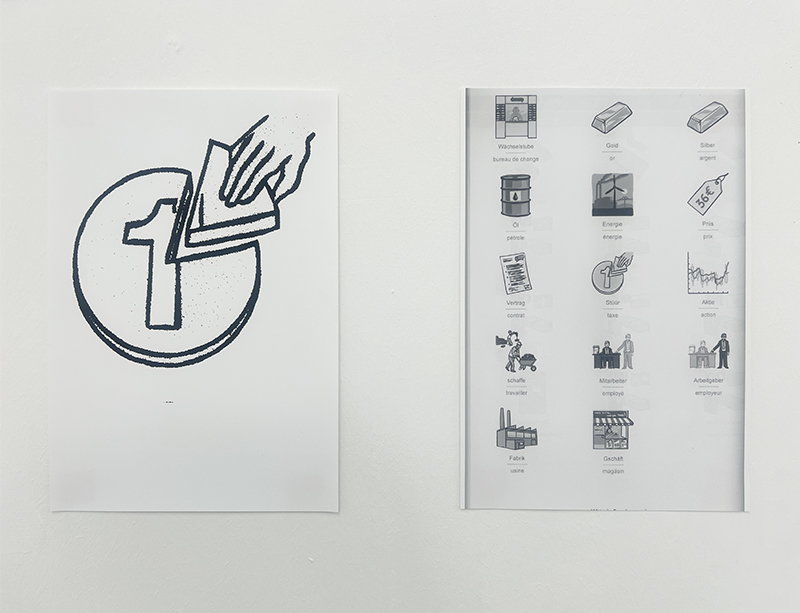 |
| Beitrag Leonie Nagel |
 |
| Beitrag Nadim Vardag |
 |
| Beitrag Isabell Ratzinger |
 |
| Beitrag Milena Büsch |
 |
| Beitrag Nathalie Wilke |
 |
| Beitrag Francesca Raimondi |
 |
| Beitrag Henrik Olesen |
 |
| Beitrag Johannes Roßmeißl |
 |
| Ausstellungsansicht summe & teile, 2026, schon, Berlin-Friedrichshain |